Physical Address
304 North Cardinal St.
Dorchester Center, MA 02124
Physical Address
304 North Cardinal St.
Dorchester Center, MA 02124

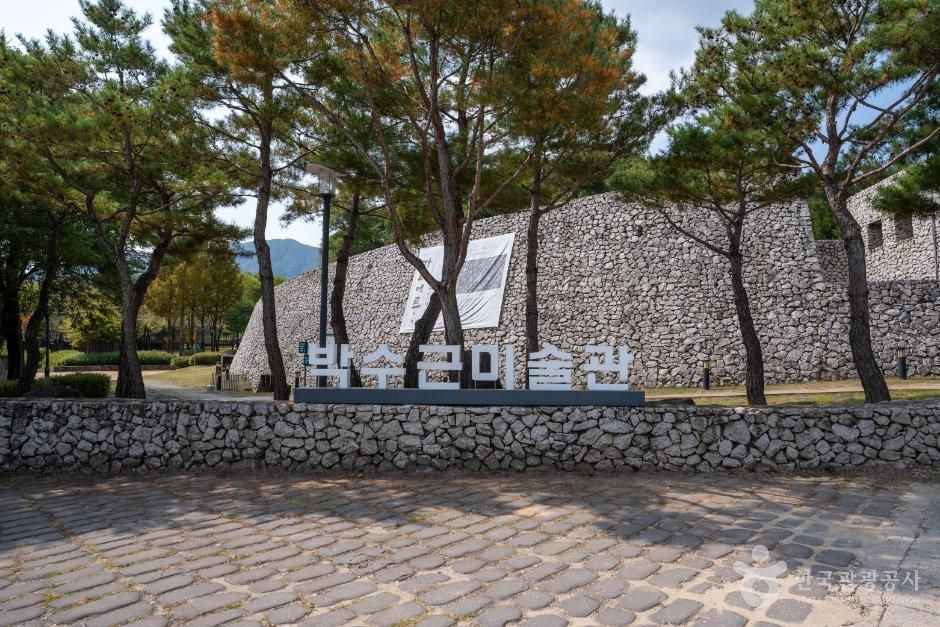
Essential guide for art lovers planning a trip to the Park Soo Keun Museum in Yanggu, covering artistic context and crucial details to verify before going.
For travelers interested in modern Korean art, traveling to Yanggu County in Gangwon State to visit the Park Soo Keun Museum is often a high priority. Park Soo Keun (1914–1965) is widely regarded as one of South Korea’s most iconic painters, renowned for capturing the resilience and everyday life of ordinary Korean people in the mid-20th century. However, because Yanggu is a rural county situated in a mountainous northern area, making the trip requires deliberate effort. If your goal is to experience Korean modern art deeply, the museum provides a peaceful, context-rich environment that cannot be replicated in major metropolitan galleries. If you are on a tight schedule or rely entirely on urban subway networks, the travel logistics demand careful evaluation before committing to the trip.
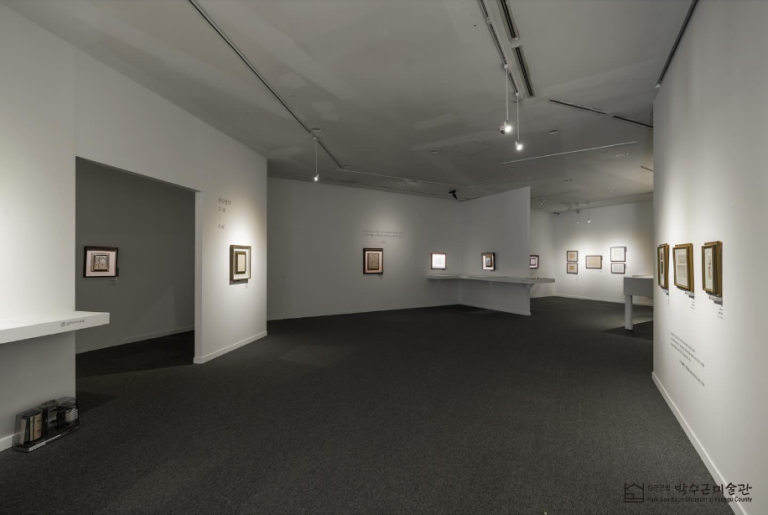
Park Soo Keun spent his childhood in Yanggu, and his hometown honours his legacy through a dedicated museum complex integrated into the surrounding landscape. Understanding his signature technique and thematic focus helps explain why this site holds such a distinct place in South Korea’s cultural geography.
A specialized visit to the Park Soo Keun Museum offers a very different experience from exploring high-profile urban art districts in Seoul or Busan. Assessing your priorities ensures the journey aligns with your expectations.
This trip particularly suits art historians, collectors, and travelers fascinated by mid-century Asian modernism. Visitors who enjoy quiet, contemplative settings and architectural design that harmonizes with nature will find the museum complex rewarding. It also appeals to travelers who enjoy venturing beyond standard tourist corridors to see rural Gangwon State.
Casual sightseers hoping for a quick stop during a fast-paced tour of South Korea may find the travel time disproportionate to the experience. Travelers who prefer large-scale interactive digital exhibits or multi-museum complexes within walking distance of each other might find a single rural museum site too isolated. Additionally, those relying strictly on rapid transit lines without flexible schedule margins should weigh the extra planning involved.
Because rural museum schedules, transport options, and gallery rotations can shift depending on the season, travelers should confirm specific operational details prior to departure.
Museums dedicated to single masters often rotate delicate oil paintings, charcoal sketches, and personal archives to preserve the works. Before traveling, confirm which permanent collections are currently on display. Check whether any main galleries are closed for exhibition transitions, conservation work, or private events, as partial closures can affect your experience after a long journey.
Yanggu is reached primarily via intercity bus routes connecting through regional transit hubs like Chuncheon or Seoul’s express bus terminals. Because public transit runs less frequently in rural counties than in major cities, verify the latest bus timetables for both your outward and return journeys. You should also check how you plan to travel from the Yanggu intercity bus terminal to the museum grounds, whether by local municipal bus or regional taxi service.
Opening hours and ticket counter operations often change between winter and summer months, and public holidays can alter standard weekly rest days. Verify the precise operating hours on the official museum portal or local tourism board noticeboards. Additionally, check whether on-site amenities such as rest areas, tea houses, or gift shops are open on the day of your visit, especially if you plan to spend several hours exploring the outdoor grounds.
Example scenario: If a traveler based in Seoul wishes to visit the Park Soo Keun Museum on a day trip, using a early morning intercity bus would provide sufficient buffer time. The traveler would depart from a Seoul terminal toward Yanggu, take a short taxi ride from the local terminal to the museum grounds, and spend three to four hours exploring the galleries and surrounding park. The return journey would be scheduled for late afternoon to account for potential highway traffic into the metropolitan area. If the traveler prefers a slower pace, booking overnight accommodation in Chuncheon or within Yanggu County would allow for a more relaxed visit combined with surrounding landscape walks.
Before finalizing your travel plan to the Park Soo Keun Museum, double-check these essential items:
I spent a year traveling to Yanggu County for a project focused on developing rural experience programs. During my time there, I discovered a wide variety of activities available in Yanggu; in particular, when I brought children to the Park Soo-keun Museum for a trial tour, the educational impact was significant, and the results were highly satisfying. I strongly recommend a visit.