Physical Address
304 North Cardinal St.
Dorchester Center, MA 02124
Physical Address
304 North Cardinal St.
Dorchester Center, MA 02124

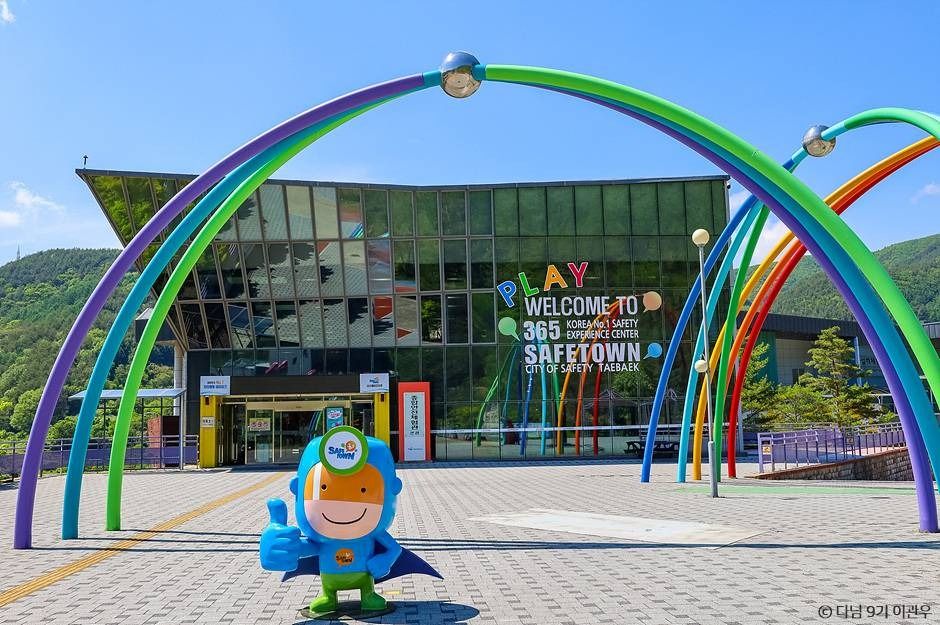
Discover Taebaek, South Korea's highest city. Escape summer heat with cool mountain winds, rich mining history, and scenic alpine trails.
When the oppressive heat and humidity of midsummer settle over Seoul, Busan, and the coastal lowlands of South Korea, savvy travelers look toward the spine of the Korean Peninsula. Tucked deep within the rugged Baekdudaegan mountain range in southern Gangwon State lies Taebaek City. Positioned at an average elevation of over six hundred meters above sea level, Taebaek holds the distinction of being the highest elevated city in South Korea. This altitude translates into a dramatically different climate: crisp mountain air, noticeably lower temperatures, and fresh breezes that make outdoor exploration a pleasure even during the peak of July and August.
For international visitors, Taebaek offers a compelling narrative that extends far beyond its pleasant summer climate. Throughout the mid-twentieth century, this mountain enclave was the powerhouse of South Korea’s rapid industrial expansion. Millions of tons of anthracite coal were extracted from these slopes to fuel heating and power generation across the country. Today, as the mining industry has wound down, Taebaek has transformed itself into a fascinating destination where high-altitude natural landscapes, ecological restoration, and preserved industrial heritage exist side by side. Whether you are seeking relief from urban heat, interested in modern Korean history, or eager to trek along sacred peaks, Taebaek provides an authentic and refreshing escape off the beaten tourist track.
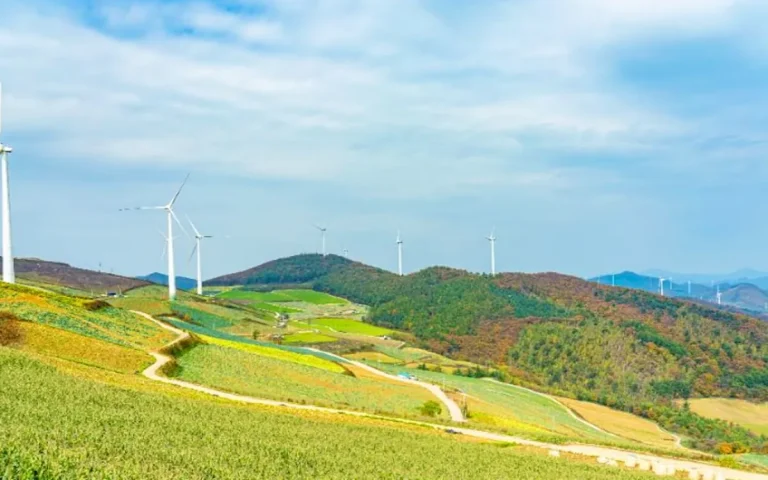
One of the most striking visual experiences in Taebaek during the summer months is the contrast between dense forest greens and sprawling highland agriculture. Due to the cool climate and unique topography, the ridges around Taebaek are famous for high-altitude crop cultivation and renewable energy projects.
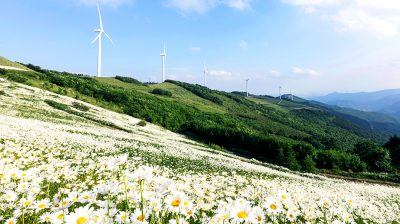
Rising high above the city center, Maebongsan Mountain is home to one of the most picturesque landscapes in eastern Korea. The upper slopes of the mountain feature vast fields of highland cabbages, known locally as gorangji crops. These vibrant green fields carpet the undulating hillsides, set against the backdrop of giant white wind turbines spinning gracefully against the blue summer sky.
Walking along the access roads around Windmill Hill, visitors can enjoy sweeping panoramic views over the surrounding peaks. The ridge marks a major geographical divide where watersheds split toward the east and west coasts of the peninsula. Early morning is an exceptionally beautiful time to visit, as low-lying fog often settles in the valleys below, creating the illusion of green islands floating on a sea of clouds. Because agricultural operations are active during the summer growing season, visitors should stay on designated walking paths and respect local farming activities.
For nature lovers, the protected ecological reserve stretching between Geumdaebong Peak and Daedoksan Mountain offers one of the richest botanical experiences in the region. During summer, the alpine meadows burst into color with rare alpine flora and native Korean wildflowers. Access to certain ecological zones within this reserve is managed to protect the delicate environment, making it a peaceful sanctuary for hikers seeking pristine mountain views and gentle forest trails.
To truly understand Taebaek, one must understand coal. For decades, miners worked hundreds of meters underground to extract the black fuel that powered South Korea’s post-war economic miracle. While most mines are now closed, the city has thoughtfully preserved this history, turning former extraction sites into educational and cultural landmarks.
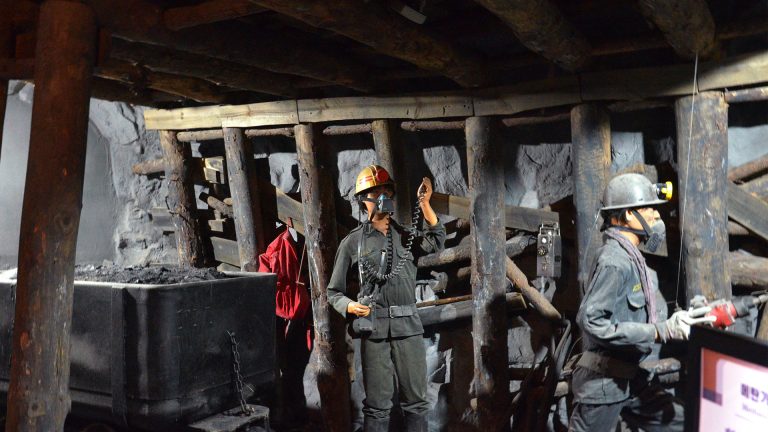
Located near the main entrance of Taebaeksan National Park, the Taebaek Coal Museum is one of the largest and most comprehensive industrial museums in the country. The facility provides an immersive look into the geological formation of coal, the history of mining technology, and the daily lives of the mining families who built the city.
Exhibits range from collections of rare minerals and fossils to detailed scale models of early machinery. The highlight for many international visitors is the simulated underground shaft exhibit. An elevator designed to feel like a mine cage lowers guests into realistic subterranean tunnels, complete with machinery noise, lighting effects, and life-sized dioramas showing miners working in cramped, challenging conditions. The museum serves as a poignant reminder of the human grit behind South Korea’s modern development.
While the museum offers structured education, Cheolam Coal Mine History Town offers an evocative, open-air glimpse into the past. Located in the eastern part of the city along the Cheolamcheon Stream, this village preserves a row of mid-century commercial and residential buildings constructed in a unique architectural style known as kkachi-jib (stilt houses).
To maximize space along the narrow river valley, local residents built timber extensions on tall supports protruding over the riverbed. Today, these historic facades have been turned into living galleries, archive rooms, and art installations. Walking along the street, visitors can step inside old barber shops, neighborhood markets, and residential rooms preserved precisely as they appeared during the height of the mining boom in the 1960s and 1970s. Across the river, the massive, dark structure of the active Cheolam Coal Processing Plant stands as an imposing industrial monument, creating a striking visual contrast with the restored village streets.
Taebaek is not only a land of human industry; it holds deep spiritual significance in Korean mythology and marks the birthplace of two of the nation’s most vital rivers.
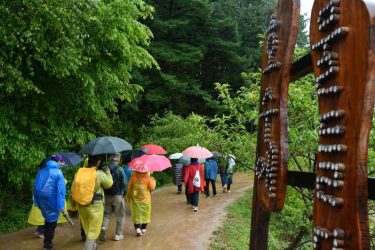
Dominating the region is Taebaeksan Mountain, designated as South Korea’s 22nd national park. Long considered a holy mountain, it features gentle slopes and well-maintained trails that make reaching the high ridges relatively accessible compared to steeper ranges in the region. In summer, the mountain is shaded by dense canopy forests, offering cool shade to trekkers.
At the summit plateau stands Cheonjedan, an ancient stone altar constructed centuries ago for performing sacred rituals to the gods of heaven. Standing at the peak, surrounded by ancient yew trees and looking out over endless lines of mountain ridges, travelers can appreciate why this spot has inspired awe for generations. The trails are clearly marked, and several routes allow for manageable half-day hikes suitable for travelers with moderate physical fitness.
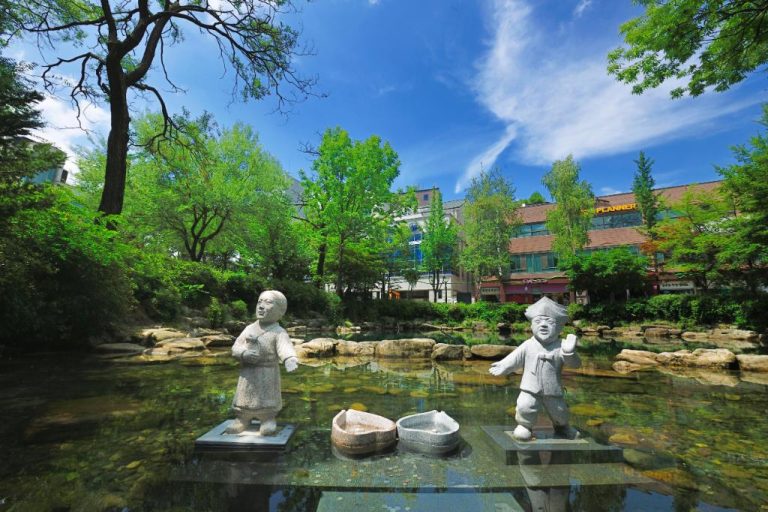
Taebaek is proudly recognized as the source region for two major Korean rivers: the Nakdong River, which flows south to Busan, and the Han River, which flows west through Seoul. Located conveniently in the heart of downtown Taebaek, Hwangji Pond is a peaceful urban park centered around a natural spring. Hundreds of tons of clear groundwater bubble up daily from three main pools, forming the ultimate source of the Nakdong River. According to local folklore, the pond was formed by a legendary curse placed on a wealthy but greedy man. Today, it is an inviting spot for an evening stroll, surrounded by manicured paths and local dining spots.
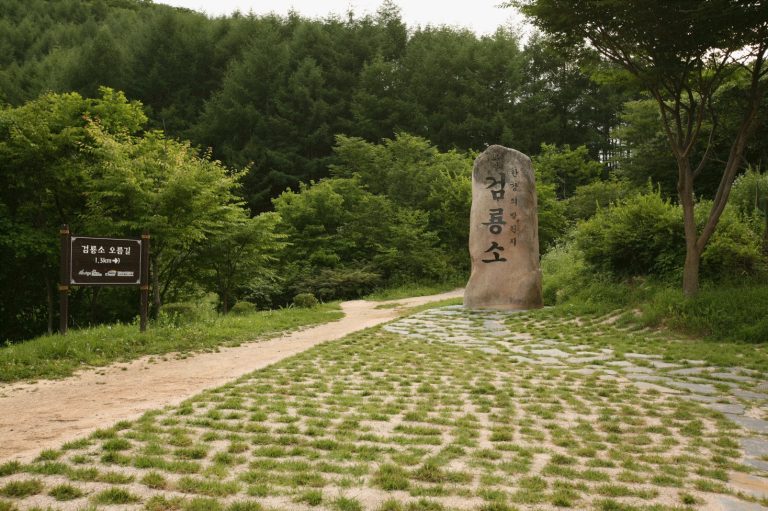
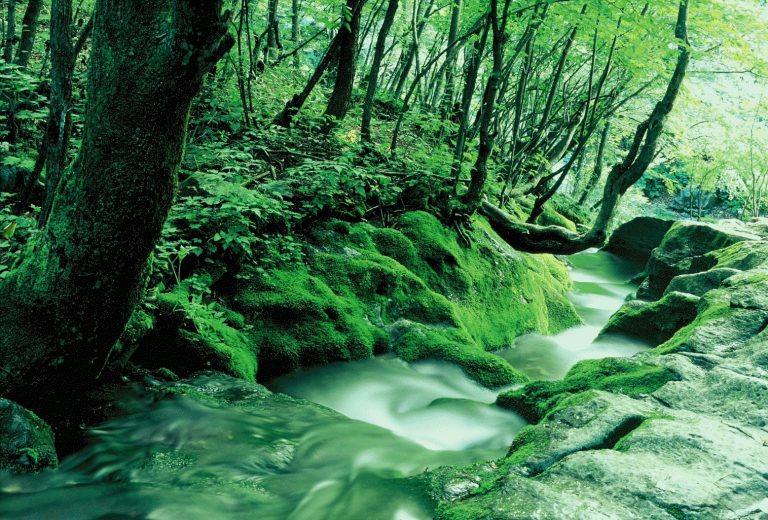
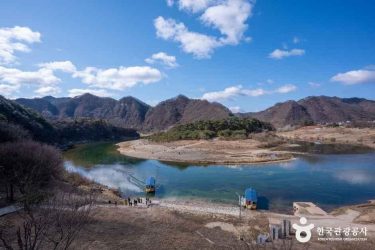
For those interested in the source of the iconic Han River, a trip to Geomryongso Spring on the northern outskirts of the city is a must. A tranquil forest trail leads hikers along a bubbling stream to a limestone pool where cool water wells up from deep underground year-round, flowing out over calcified rock terraces that resemble a dragon writhing upward.
If the summer air above ground feels warm, stepping into Yongyeon Cave provides instant subterranean relief. Located on the northern slopes of the city at an elevation of over eight hundred meters, it is classified as the highest elevated open limestone cave in South Korea. Inside, temperatures remain cool and stable throughout the year. The illuminated walking paths wind through vast underground chambers filled with stalactites, stalagmites, and subterranean pools, offering a refreshing and family-friendly adventure.
The culinary landscape of Taebaek was directly shaped by its mining heritage and highland geology. Local dishes are hearty, flavorful, and designed to satisfy appetite after a long day of physical activity or outdoor exploration.
Unlike the dry, pan-fried dakgalbi famous in Chuncheon, Taebaek’s signature chicken dish is served as a rich, aromatic stew loaded with broth, vegetables, wild greens, and tender chicken. Known as Mul-Dakgalbi (water chicken ribs), this unique style was invented by local coal miners who needed a warm, broth-heavy meal to clear their throats of coal dust and stretch modest ingredients into a filling meal for large families. The dish is cooked at your table, topped with fresh seasonal greens like shepherd’s purse or wild chives, and finished by stir-frying rice into the remaining flavorful broth.
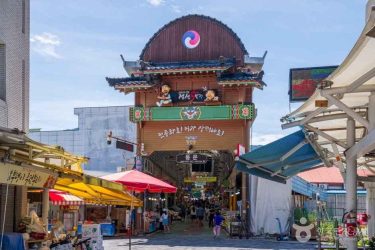
Taebaek is also renowned for high-quality local Korean beef (Hanwoo), cooked over charcoal or traditional anthracite coal briquettes. The intense, even heat of the briquettes sears the meat quickly, locking in juices and imparting a subtle smoky flavor. Numerous local grill houses cluster around the central city, offering a dining experience deeply tied to the town’s industrial legacy.
Planning a trip into the Gangwon highlands requires a small amount of extra preparation compared to major metropolis travel, but rewards visitors with a smooth, unforgettable experience.
Taebaek is connected to Seoul via regional rail services departing from major hubs like Cheongnyangni Station or Seoul Station, as well as direct intercity buses departing from the Dong Seoul Bus Terminal. The train journey offers scenic views as the tracks climb into the interior mountain valleys.
Once in Taebaek, local buses connect the central train and bus terminals to major sites like Taebaeksan National Park, the Coal Museum, and Hwangji Pond. However, because some highland attractions—such as Maebongsan Windmill Hill or Geomryongso—are spread across rural mountain passes, renting a vehicle or utilizing local taxi services can save significant time and provide flexible scheduling.
Note for Travelers: Operating hours, transport schedules, seasonal access restrictions, and event details can change throughout the year. Visitors are strongly advised to check official tourism channels or facility websites prior to planning their itinerary.