Physical Address
304 North Cardinal St.
Dorchester Center, MA 02124
Physical Address
304 North Cardinal St.
Dorchester Center, MA 02124

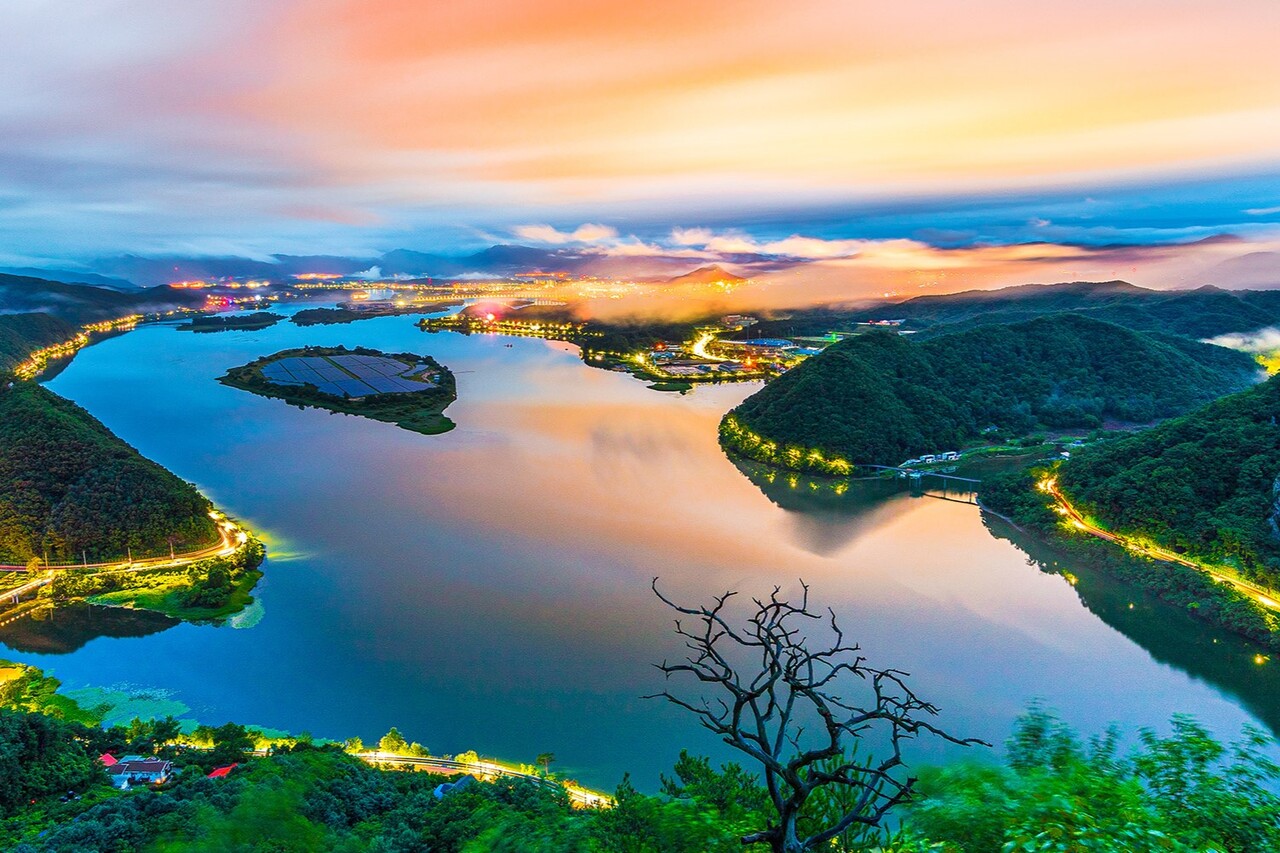
Chuncheon is best known as the city of lakes, mountains and dakgalbi, but there is much more to discover beyond its famous food. Located northeast of Seoul in Gangwon Province, the city combines beautiful natural scenery, a thousand-year-old Buddhist temple, panoramic cafés and some of Korea’s most distinctive regional dishes.
This guide introduces a rewarding Chuncheon itinerary built around Soyang Dam, a ferry ride across Soyang Lake, Cheongpyeongsa Temple, Gubongsan Observatory Café Street, dakgalbi and makguksu.
This Chuncheon travel guide will help you plan a memorable day trip filled with nature, history, cafés and local food.
Chuncheon is close enough to Seoul for a day trip but feels noticeably different from the capital. Lakes and forested mountains surround the city, giving it a slower and more relaxed atmosphere.
Many international travelers know Chuncheon because of Nami Island or the Korean drama Winter Sonata. However, Soyang Dam and Cheongpyeongsa Temple offer a quieter experience that reveals another side of the region.
Chuncheon is a particularly good choice for travelers interested in:
The most comfortable public transportation option is the ITX-Cheongchun train. Trains depart from Yongsan Station and Cheongnyangni Station in Seoul and travel to Chuncheon Station.
Travel time varies according to the departure station and service, but the journey generally takes around 75–90 minutes. Reservations are recommended on weekends, public holidays and during the spring and autumn travel seasons.
You can also take the Gyeongchun subway line, but the journey is slower and may involve more stops. It is suitable for budget-conscious travelers who do not mind a longer ride.
After arriving at Chuncheon Station, a taxi is the easiest way to follow this itinerary. Public buses are available, but services to Soyang Dam and other outlying attractions may be infrequent.
This Chuncheon travel guide follows a realistic one-day itinerary:
The ferry schedule is the most important part of the itinerary. Check the day’s departures and return services before beginning the trip, as schedules can change because of the season, weather or lake conditions.
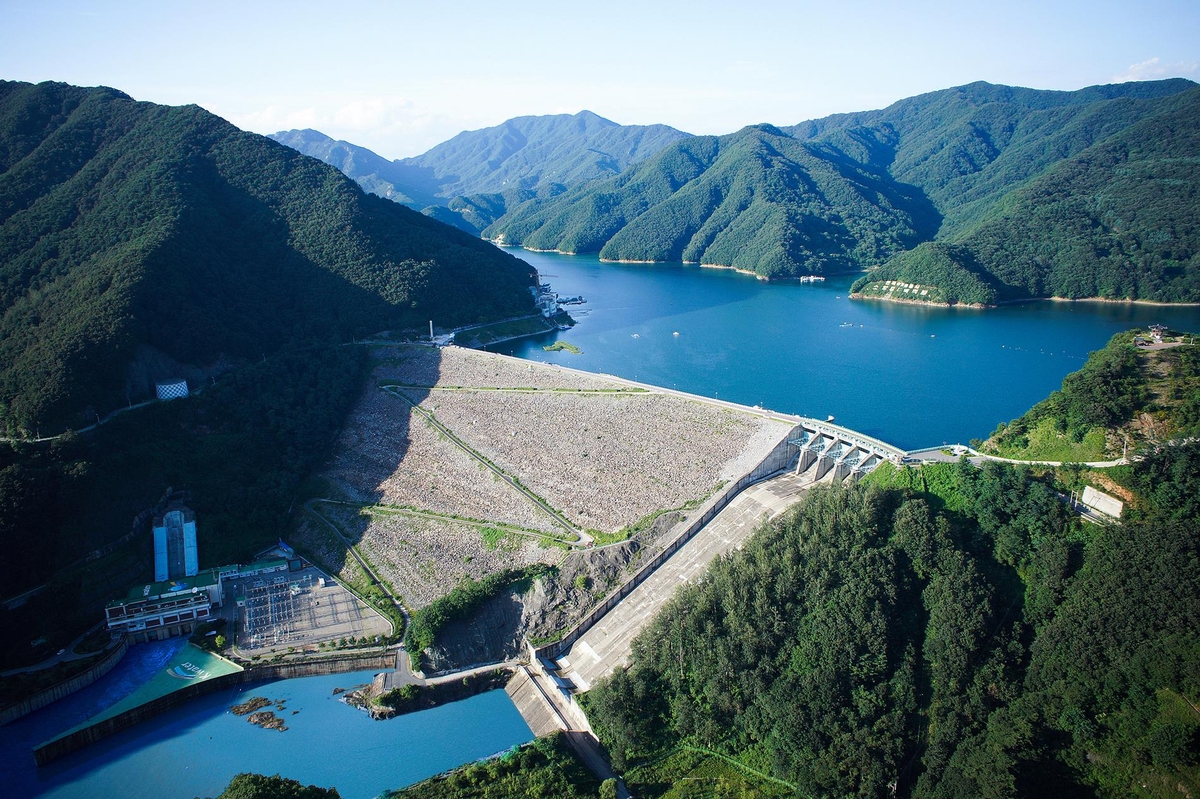
Completed in 1973, Soyang Dam is Korea’s largest dam and created Soyang Lake, the country’s largest artificial lake. The scale of the lake and surrounding mountain scenery has earned it the nickname “the inland sea.”
Visitors can walk around the dam area, enjoy views across the water and take a ferry toward Cheongpyeongsa Temple. A walking trail also runs through part of the area.
The scenery changes considerably throughout the year. Spring brings fresh green mountains, summer creates a deep blue-and-green landscape, autumn covers the slopes with colorful foliage, and winter offers a quiet atmosphere with clearer views.
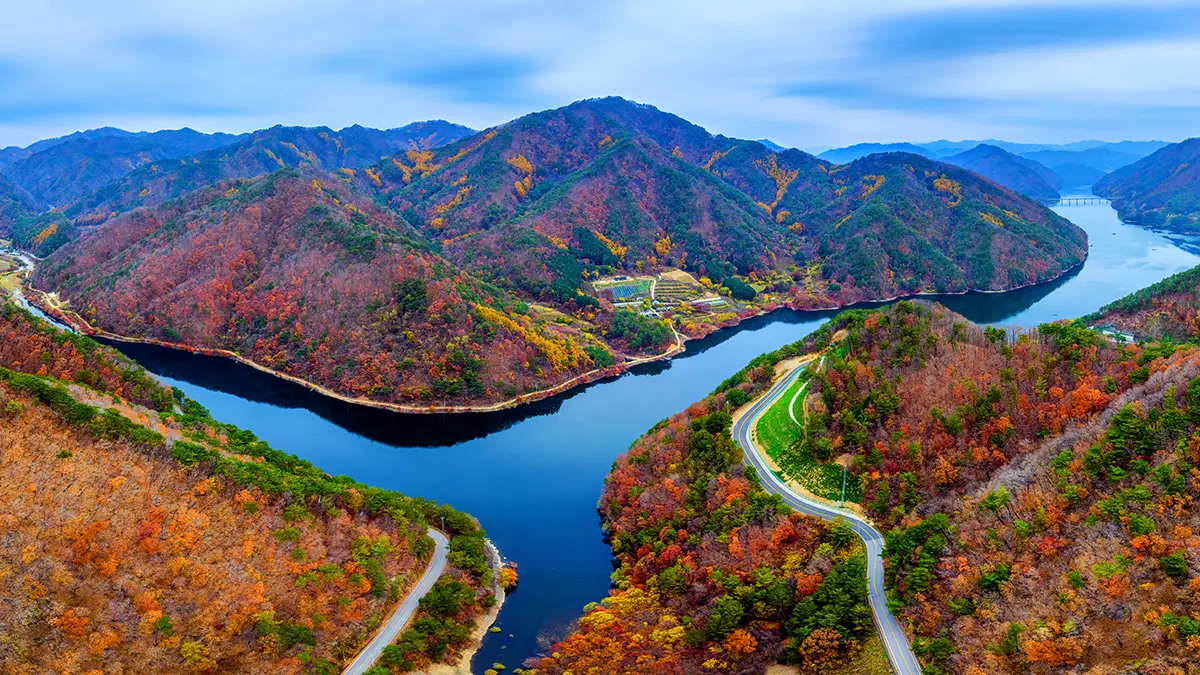
Although the dam area itself is accessible throughout the day, ferry services operate on separate schedules.
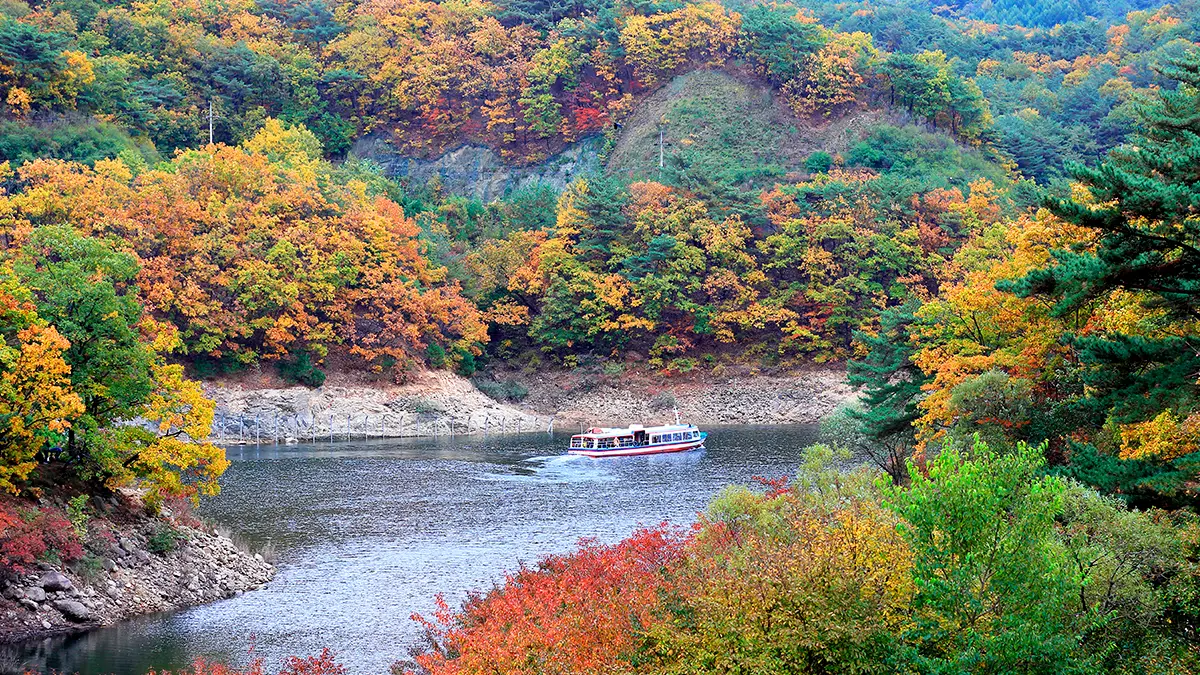
One of the most memorable ways to reach Cheongpyeongsa Temple is by ferry across Soyang Lake. The short journey offers views of wooded mountains and the broad lake before arriving near the entrance to the temple trail.
The ferry is not simply transportation. It is part of the experience and makes the temple visit feel separated from the city.
According to current tourism information, the Cheongpyeongsa and Obongsan ferry route costs approximately:
Prices and schedules may change, so confirm them at the ticket office before boarding. Travelers should also check the final return ferry and leave enough time to walk back from the temple.
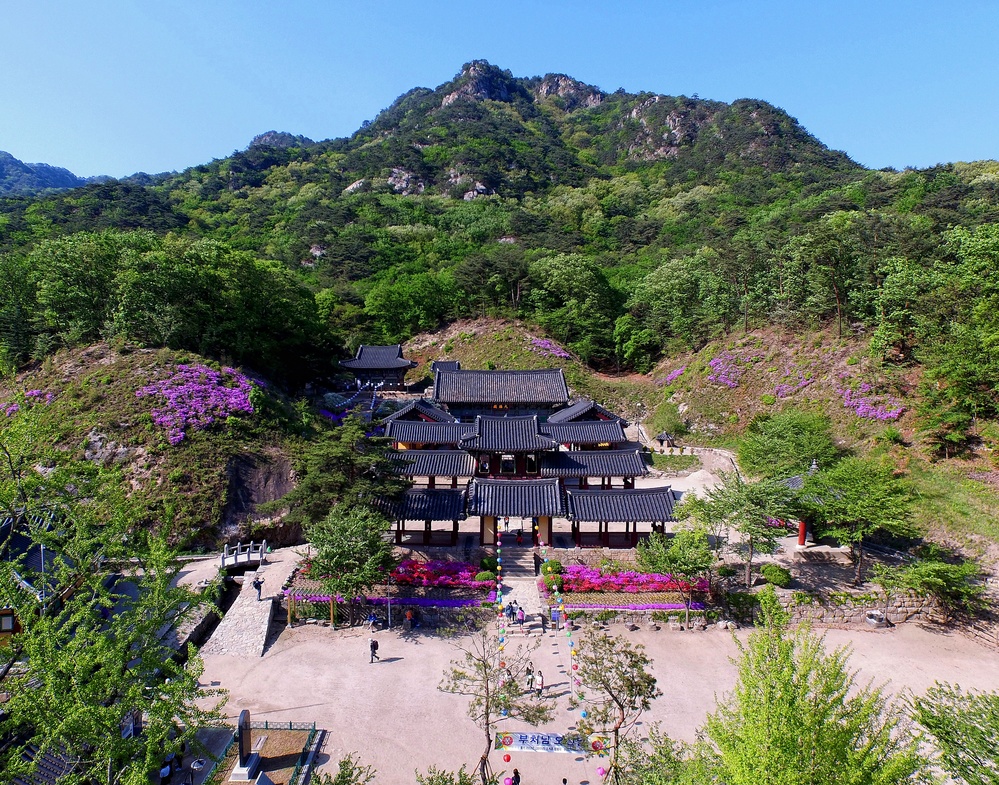
After getting off the ferry, follow the forest trail toward Cheongpyeongsa Temple. The walk passes streams, trees and historical remains, making the approach as enjoyable as the temple itself.
Cheongpyeongsa has approximately 1,000 years of history. It was first established in 973 and is located on Obongsan Mountain. The area also contains a historic garden created by Goryeo-period scholar Yi Ja-hyeon. Its design preserved the natural shape of the surrounding land, an important characteristic of traditional Korean gardens.
The temple buildings are modest compared with Korea’s largest Buddhist complexes, but the quiet mountain setting gives Cheongpyeongsa its appeal.
Allow enough time for:
Comfortable walking shoes are recommended. The trail is not an extreme hike, but it includes uneven and sloping sections.
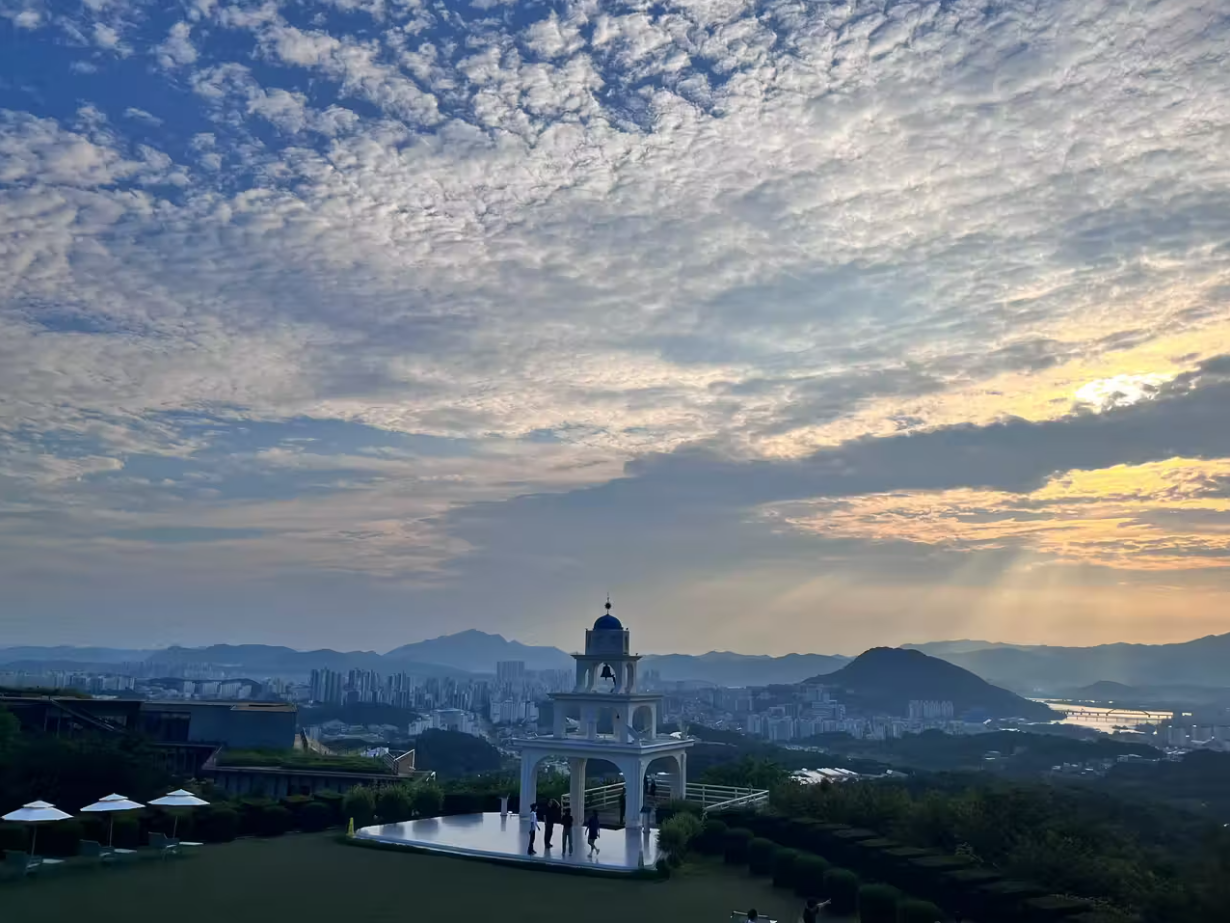
Café culture has become an important part of traveling in Korea, and Chuncheon has many spacious cafés overlooking mountains, lakes and the city.
Gubongsan Observatory Café Street is one of the best areas for panoramic views. Located along the road across Gubongsan Mountain, it offers sweeping views over downtown Chuncheon and is particularly beautiful around sunset and after dark.
Another distinctive option is Soul Roastery, a large forest café spanning approximately 26,446 square meters. Its spacious grounds are home to around 400 pine trees, creating a peaceful retreat that feels far removed from the city. Sitting beneath the pines with the café’s signature Chodang sweet corn coffee—a creamy coffee drink flavored with sweet corn—is one of the highlights of a visit.
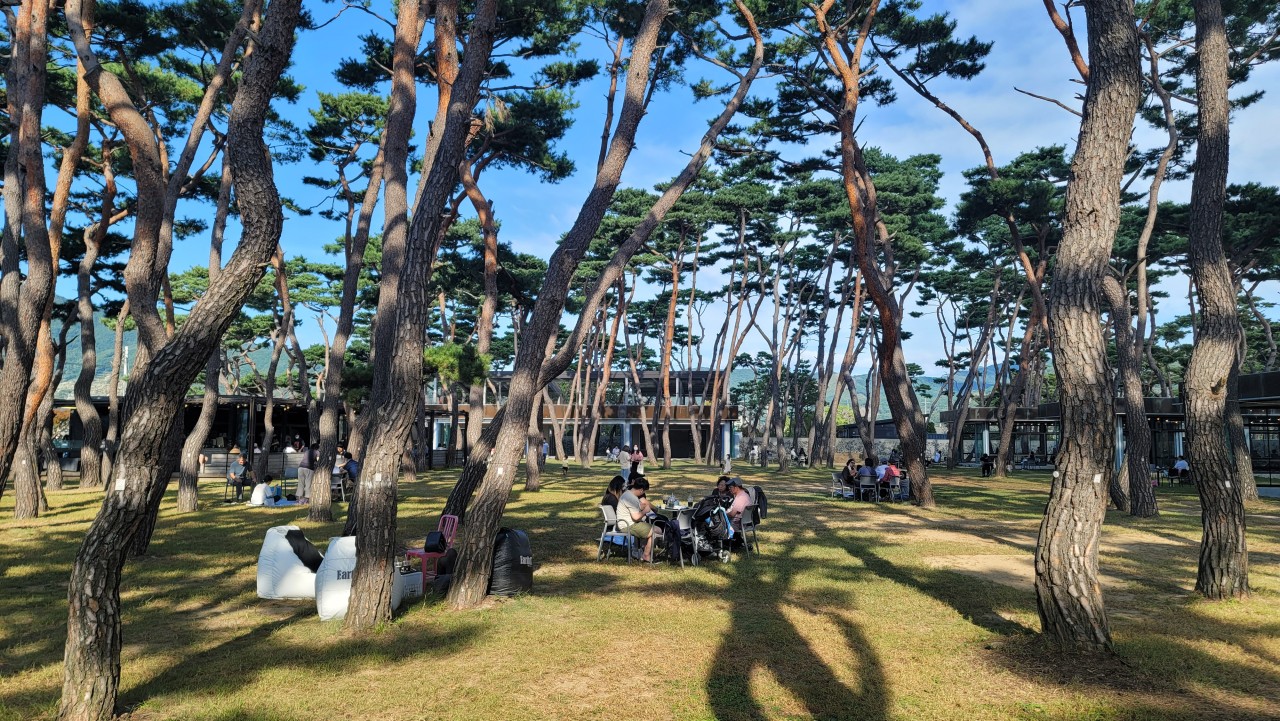
Gubongsan is the better choice for expansive city views, while Soul Roastery is ideal for travelers who prefer a quiet forest atmosphere. Operating hours and parking arrangements may change, so check the latest information before visiting. If you are traveling without a car, taking a taxi is generally more convenient than relying on local buses.
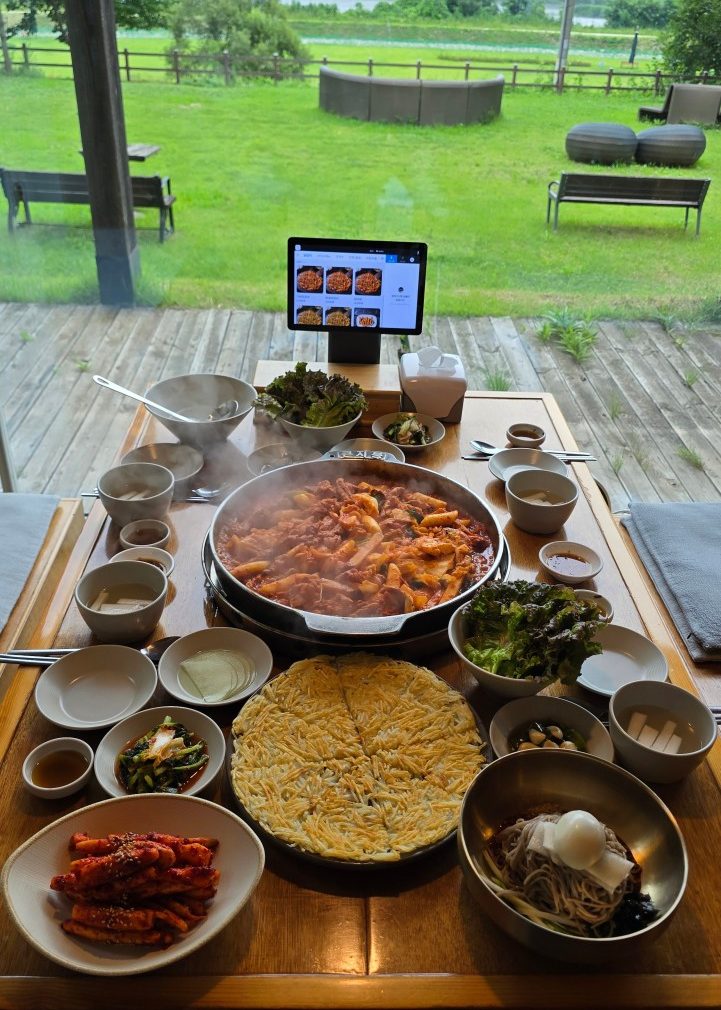
No trip to Chuncheon is complete without dakgalbi. Despite its name, which literally means “chicken ribs,” the modern dish usually consists of boneless chicken stir-fried with cabbage, sweet potato, rice cakes and a spicy red-pepper sauce.
The ingredients are cooked together on a large round grill at the table. The flavor is spicy, slightly sweet and savory.
When most of the chicken has been eaten, many diners order fried rice. The remaining sauce is mixed with rice, seaweed and other ingredients on the same grill.
Travelers who cannot eat spicy food can ask whether a less spicy version is available. However, the sauce is normally prepared in advance, so not every restaurant can adjust it substantially.
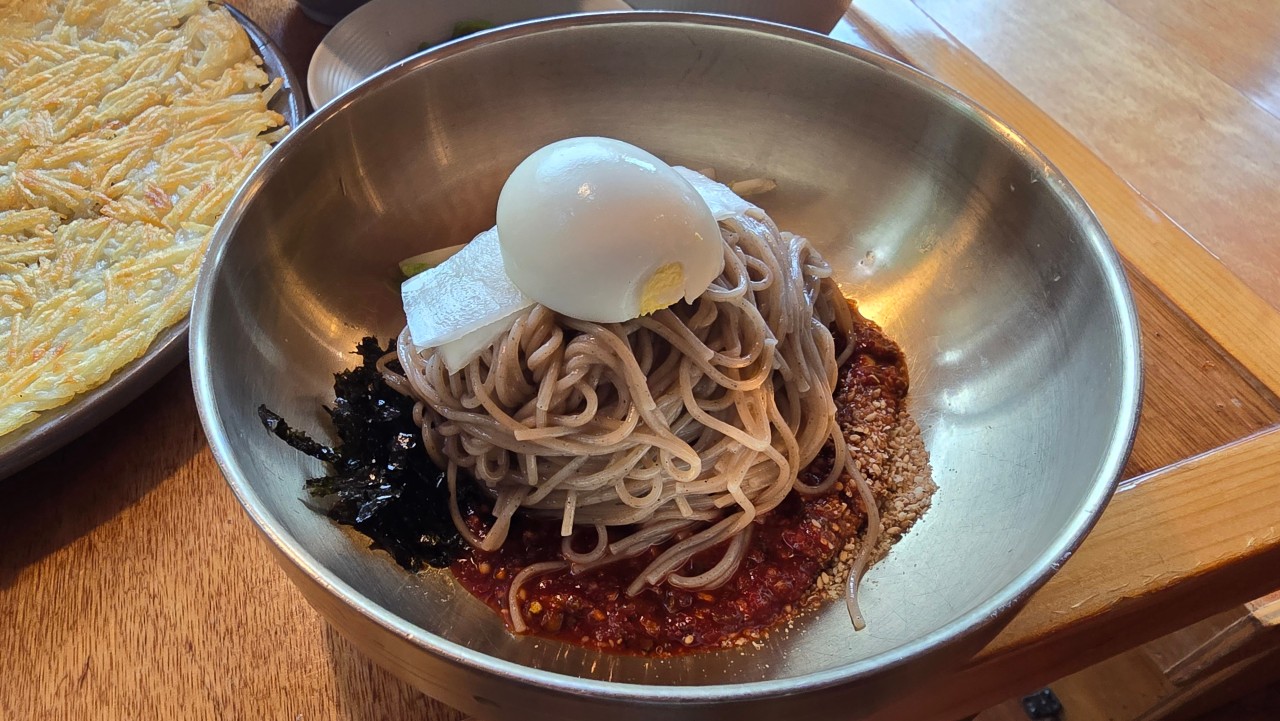
Makguksu is another signature dish of Chuncheon. It consists of buckwheat noodles served cold, usually with vegetables and a tangy sauce or chilled broth.
The noodles are lighter and more refreshing than dakgalbi, which makes the two dishes a good combination. Some restaurants serve both, allowing travelers to share dakgalbi and order makguksu afterward.
A typical meal might include:
Vegetarian travelers should ask about the broth and sauce because makguksu may contain meat-based stock or other animal-derived ingredients.
| Time | Activity |
|---|---|
| 8:00 | Depart Seoul by ITX-Cheongchun |
| 9:30 | Arrive at Chuncheon Station |
| 10:15 | Arrive at Soyang Dam and check the ferry schedule |
| 10:30–14:00 | Ferry ride, forest walk and Cheongpyeongsa Temple |
| 14:00–15:00 | Explore Soyang Dam and the lakefront |
| 15:30–17:00 | Coffee at Gubongsan Observatory Café Street |
| 17:30–19:00 | Dakgalbi, makguksu and fried rice |
| 19:30 | Return to Chuncheon Station |
| Evening | Travel back to Seoul |
This schedule is only an example. Ferry and train departure times should determine the actual plan.
Confirm both the outbound and return ferry times before walking to the temple. Seasonal or weather-related changes may affect service.
ITX-Cheongchun tickets can sell out during weekends and peak travel seasons. Reserve the outbound and return journeys in advance.
Naver Map or KakaoMap generally provides more detailed local transportation information in Korea than some international map services. Search destinations using both English and Korean names.
Most businesses in Korea accept cards, but carrying a small amount of cash is useful for transportation, small shops or unexpected situations.
The Cheongpyeongsa route includes a forest trail. Shoes suitable for walking are preferable to formal footwear or high heels.
The temple and ferry route takes more time than it may appear on a map. An early departure from Seoul gives you more flexibility and reduces the risk of missing the final ferry.
Chuncheon is an excellent choice for travelers who want to experience Korea beyond Seoul’s busiest attractions. The combination of Soyang Lake, Cheongpyeongsa Temple, mountain cafés and regional food creates a varied day without requiring a long journey from the capital.
Nami Island may be the city’s most internationally recognized attraction, but this itinerary offers a calmer and more local perspective. It is a chance to cross a lake by ferry, walk through a forest to a historic temple, watch the sun set from a mountain café and finish the day with two dishes that represent Chuncheon.
For travelers looking for nature, history and food in one trip, Chuncheon deserves a place on the itinerary.
Travel information was reviewed in August 2026. Ferry schedules, fares, transportation and business hours may change. Confirm essential details before traveling.
For the latest information, check the official tourism pages for Soyang Dam, Cheongpyeongsa Temple and Soyang Lake ferry services before your trip.
▶ Soyang Dam↗

![[강원평화누리자전거길 10코스] 양구 두타연길 - Korea Tourism Organization](https://allforkorea.com/wp-content/uploads/2026/08/kto-강원평화누리자전거길-10코스-양구-두타연길-1787920867576-375x250.jpg)