Physical Address
304 North Cardinal St.
Dorchester Center, MA 02124
Physical Address
304 North Cardinal St.
Dorchester Center, MA 02124

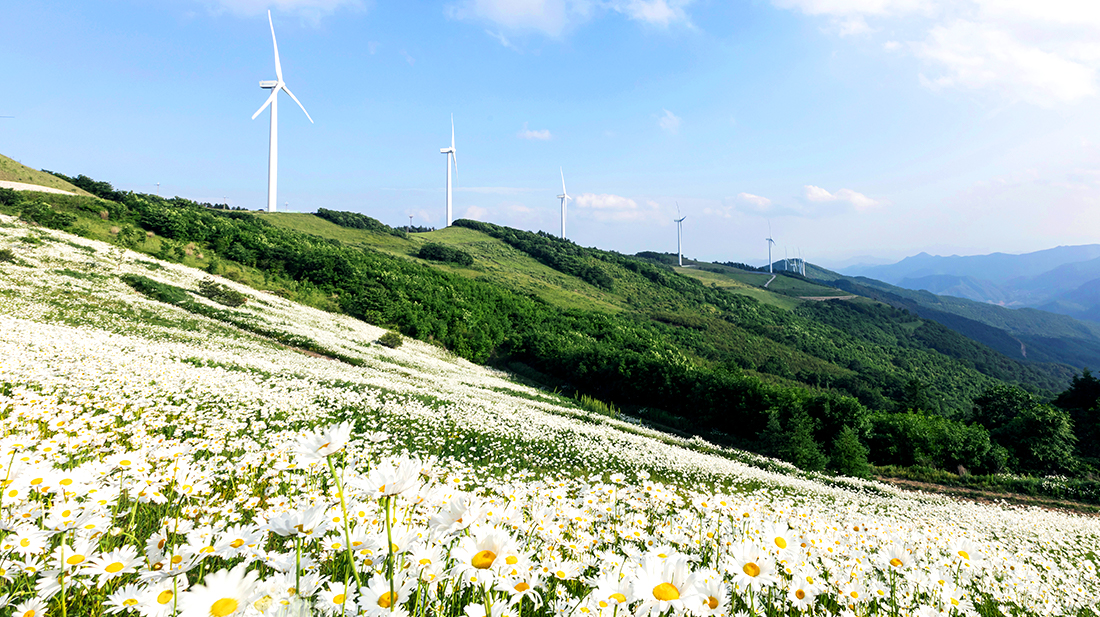
Discover the quiet alpine villages, buckwheat fields, and ancient forest trails of Pyeongchang County beyond South Korea's winter resorts.
For most international travelers, Pyeongchang County exists as a winter sports destination or a brief entry in Olympic history. Located in the heart of Gangwon State, about two hours east of Seoul, the region is widely celebrated for its expansive ski slopes and high-end snow infrastructure. Yet, looking past the resort complexes reveals a dramatically different landscape: an expanse of highland plateaus, pine-forested valleys, and quiet mountain villages where life moves at the pace of the agricultural seasons.
Pyeongchang sits at an average elevation of 700 meters above sea level, a altitude local tradition long associated with optimal health and clear alpine air. Across this vast, mountainous terrain lie scattered settlements that have remained largely untouched by modern resort development. In these hamlets, traditional farmhouses sit beside terraced fields of mountain herbs, highland cabbage, and buckwheat. Traveling through Pyeongchang’s lesser-known villages offers foreign visitors a rare opportunity to experience South Korea’s rural high country, where ancient monastic forest paths, distinct mountain cuisine, and distinct microclimates define daily life.
Reaching Pyeongchang from Seoul is straightforward thanks to modern rail infrastructure built for the 2018 Winter Games, but exploring the deeper mountain villages requires thoughtful planning.
The KTX Gangneung Line connects Seoul Station and Cheongnyangni Station directly to Pyeongchang County. The route features two main stops within the county: Pyeongchang Station in the central south and Jinbu Station in the northeast. Trains run frequently throughout the day, with journeys taking roughly 80 to 90 minutes. Jinbu Station serves as the primary gateway for the northern mountain valleys, Odaesan National Park, and eastern farming hamlets, while Pyeongchang Station provides access to western and southern agricultural zones.
While high-speed rail brings you into the county, reaching the remote hamlets beyond town centers can present a logistical puzzle for independent travelers.
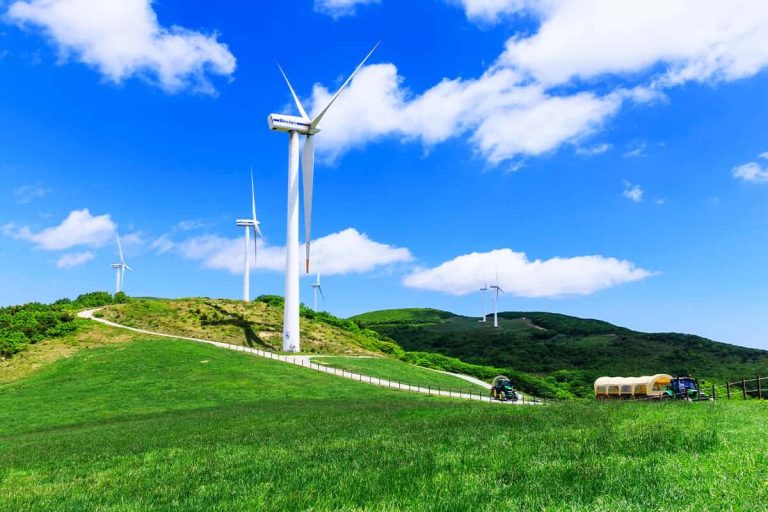
High along the eastern border of Pyeongchang, where the mountains plunge down toward the East Sea, lies the elevated plateau of Daegwallyeong-myeon. While the lower valleys house large commercial developments, the upper ridges shelter quiet farming communities built around a unique alpine microclimate.
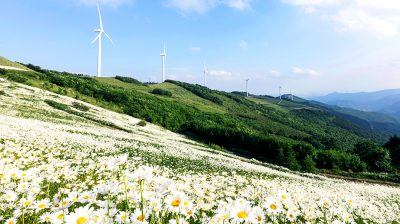
The geography here is defined by rolling grasslands, wind turbines tracing the ridgelines, and severe, frigid winters. It is precisely this harsh winter weather that sustains one of the region’s most fascinating rural traditions: the open-air drying of pollack, known locally as hwangtae.
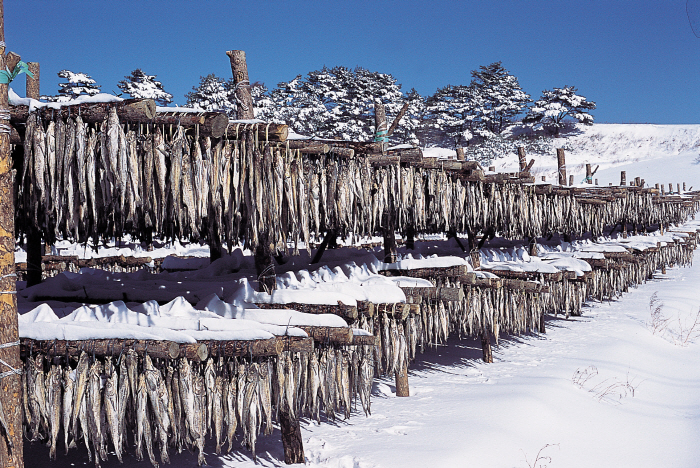
During the coldest months of the year, usually from late December through March, the wind-swept valleys around Daegwallyeong transform into vast wooden scaffolding yards called deokjang. Hundreds of thousands of fish are hung outdoors on tall wooden frames. Over months of exposure to sub-zero temperatures, howling mountain winds, and intense sunlight, the fish repeatedly freeze by night and thaw by day. This cycle creates a light, spongy texture highly prized in Korean cuisine.
Walking through these highland villages in late winter or early spring reveals a stark, captivating industrial-agricultural landscape. The air is crisp and cold, smelling subtly of sea salt and drying cedar. In the warmer months, these same high pastures shift to growing highland cabbage, where bright green fields contour dramatically across steep slopes against clear blue skies.
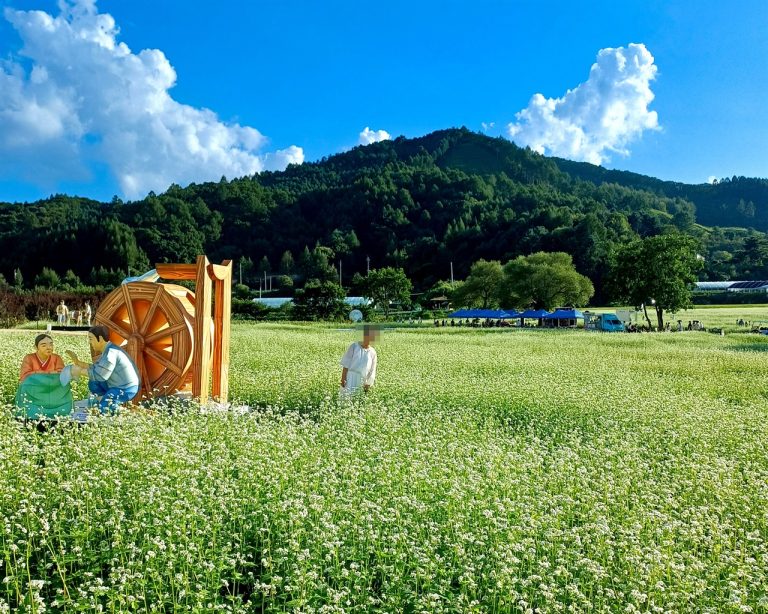
Located in western Pyeongchang, the township of Bongpyeong is nestled along the winding banks of the Heungjeonggyeok Stream. The area is surrounded by dense pine forests and jagged peaks, creating an isolated basin that has preserved a strong rural identity.
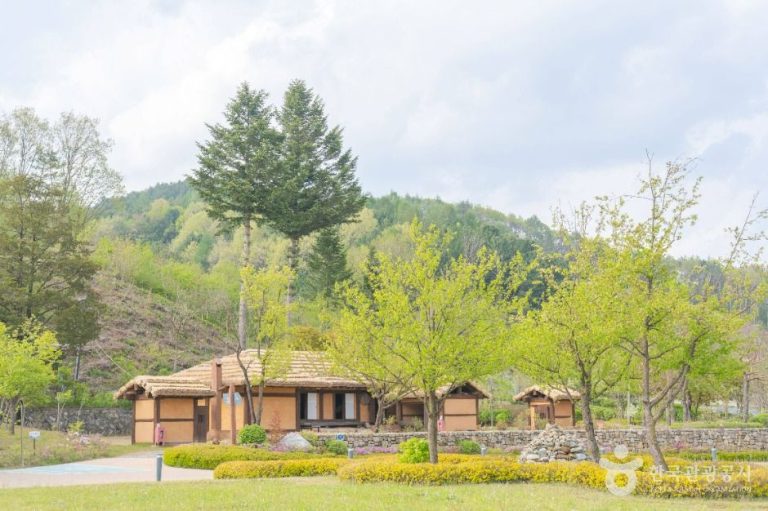
Bongpyeong is best known for its deep connection to buckwheat cultivation, an agricultural practice suited to the region’s thin mountain soil and short growing seasons. In late summer and early autumn, the basin is carpeted in white buckwheat blossoms, transforming the landscape into what local literature historically described as a field carpeted in spilled salt.
Beyond the bloom season, Bongpyeong offers year-round quiet charm. Small farm roads trace the edge of the river, connecting traditional timber-and-tile homes, stone wall enclosures, and modest family-run mills. Exploring the valley on foot or bicycle allows visitors to see everyday life in rural Gangwon: older residents tending to patch gardens, drying chili peppers on woven mats, and gathering mountain herbs along road edges.
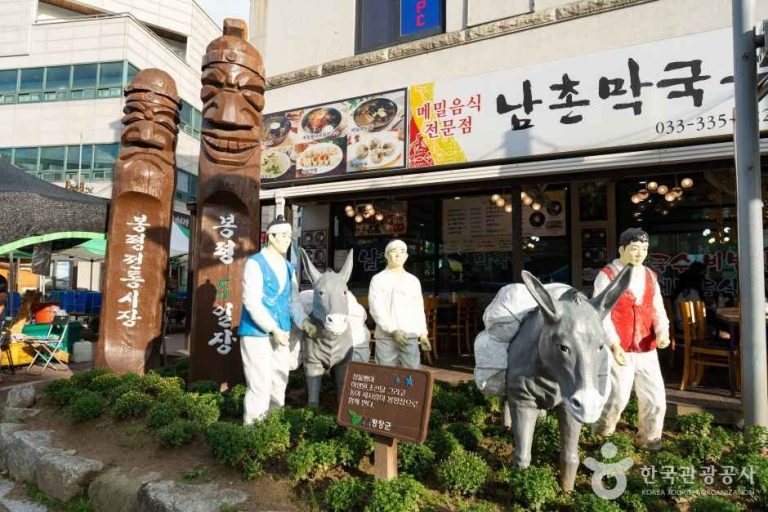
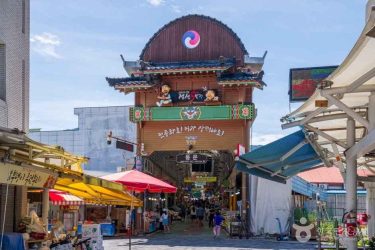
To witness the true pulse of the valley, align your visit with the historic five-day market system. Operating on dates ending in 2 and 7 (such as the 2nd, 7th, 12th, 17th, 22nd, and 27th of each month), the market brings together farmers, foragers, and traders from surrounding mountain hamlets.
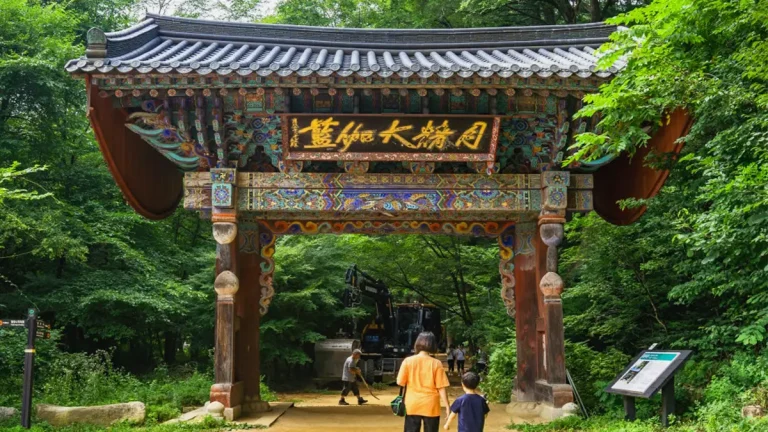
In the northeastern sector of Pyeongchang, the foothills surrounding Odaesan National Park house quiet communities that have developed in harmony with ancient Buddhist traditions and forest conservation. The hamlets situated along the Odae-cheon river system offer a peaceful retreat characterized by thick evergreen forests, crystal-clear streams, and traditional temple-adjacent agrarian life.
Near the base of the mountains, traditional wooden farmhouses and small heritage properties line the narrow access roads. Unlike the concrete architecture found in modernized towns, these foothill settlements retain classic Gangwon mountain design, emphasizing heavy timber framing, low-slung roofs built to withstand heavy snowfall, and open central courtyard spaces.
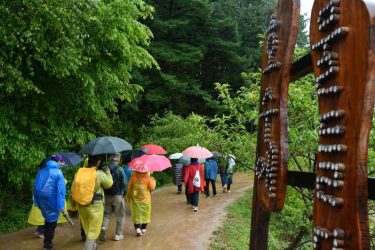
Walking along the low-gradient trails that follow the river reveals ancient pine and fir trees, moss-covered stone towers built by local pilgrims, and tiny home gardens cultivating medicinal herbs. The air here carries a distinct scent of pine resin and damp mountain earth, offering a serene atmosphere far removed from urban centers.

Because the terrain surrounding Odaesan is steep and heavily forested, local agricultural culture relies heavily on sanchae—wild mountain vegetables. For generations, residents of these foothill hamlets have ventured into permitted forest areas to gather wild asters, fern bracken, codonopsis root, and wild garlic leaves.
In these villages, food preparation remains deeply tied to seasonal foraging. Walk through any small settlement in the spring, and you will see wicker baskets filled with blanching greens set out to dry under the sun, preserving the mountain’s harvest for the long winter months ahead.
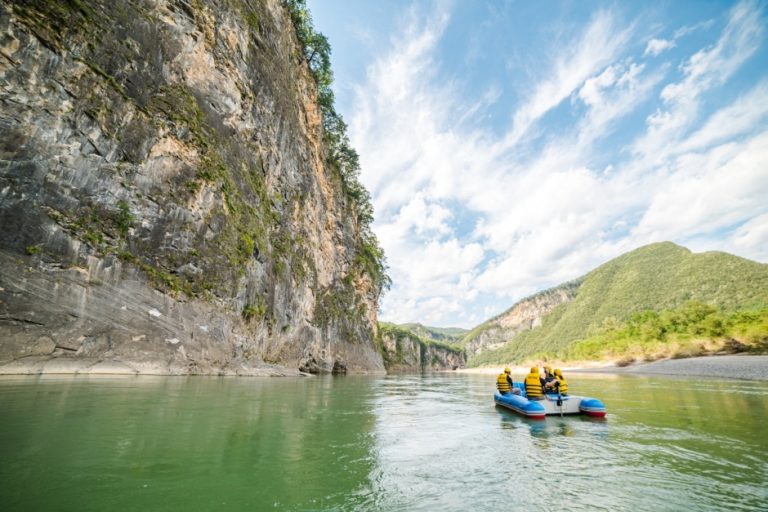
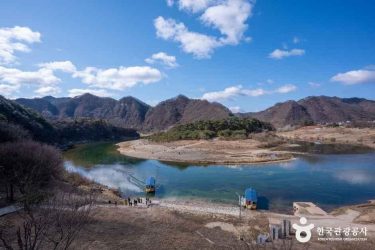
For travelers seeking true solitude, Mitan-myeon in the far southern corner of Pyeongchang offers an off-the-beaten-path destination. The geology here shifts dramatically from granite peaks to deep karst limestone formations, resulting in unusual landforms, underground caves, and steep river canyons cut by the upper stretches of the Donggang River.
The hamlets in Mitan are carved into narrow limestone pockets where cold, mineral-rich spring water gushes naturally from rock faces. Local farmers have adapted to this rugged landscape by creating small-scale cold-water trout farms and cultivating specialty crops like highland garlic, kidney beans, and wild mountain herbs on terraced plots overlooking deep gorges.
Visiting Mitan feels like stepping into a different era. Traffic is practically non-existent, soundscapes are dominated by rushing water and mountain birds, and the landscape remains unmarred by large commercial signs. Small stone pathways link remote farmhouses, while footbridges cross turquoise mountain streams where local anglers fish for freshwater species native to Gangwon’s clean cold rivers.
The culinary landscape of Pyeongchang’s mountain hamlets is a direct reflection of its geography and harsh climate. Simple, nourishing, and deeply connected to the land, regional dishes focus on wild ingredients, fermented starches, and cold-weather preservation techniques.
Traveling through rural Gangwon State requires a few practical adjustments compared to touring major metropolitan areas like Seoul or Busan.
English spoken fluency is relatively rare in smaller mountain villages, rural markets, and local eateries. Downloading offline translation apps and mapping software tailored specifically for South Korea will make reading signs, ordering food, and asking for directions significantly easier. Basic knowledge of polite Korean greetings is always warmly appreciated by rural hosts.
While credit cards are accepted almost everywhere across South Korea, including small convenience stores, bringing a reasonable amount of South Korean Won cash is advisable when visiting five-day traditional markets, buying fresh produce directly from farm roadside stalls, or using rural buses.
Many of Pyeongchang’s mountain trails run directly along private farmland, commercial drying yards, and family-owned orchards. Always remain on established paths, refrain from picking crops or wild herbs without permission, and take all trash with you. Keep noise levels low near residential homes and monastic grounds.
Rural bus schedules, local market operating days, and access to specific mountain trails can change based on weather conditions, seasonal fire hazard warnings, or local holidays. Always check official national park portals, state tourism boards, or local venue information before finalizing your travel itineraries.