Physical Address
304 North Cardinal St.
Dorchester Center, MA 02124
Physical Address
304 North Cardinal St.
Dorchester Center, MA 02124

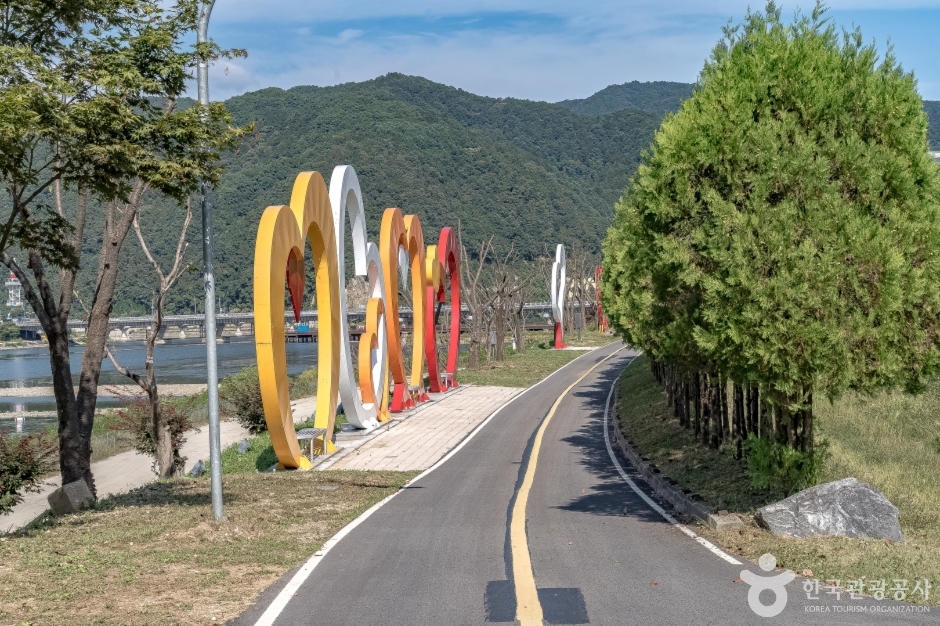
Explore Hwacheon, South Korea. Discover pristine Bukhan River landscapes, peaceful lakeside villages, and scenic cycling trails in Gangwon State.
Far from the neon-lit corridors and high-speed urban rhythms of Seoul, Hwacheon County rests quietly in the mountainous northern terrain of Gangwon State. Defined by the gentle, serpentine bends of the Bukhan River and surrounded by forested ridges, this serene region offers international travelers a completely different perspective on South Korea. Here, geography has dictated a slower pace of life. Water dominates the landscape, with crystal-clear streams cutting through quiet valleys, broad artificial reservoirs reflecting the surrounding peaks, and historic riverbanks inviting long, unhurried exploration.
For travelers seeking to escape packed itineraries and typical tourist hubs, Hwacheon provides an ideal setting for slow outdoor travel. Whether you choose to pedal along dedicated riverside bike paths, wander through tranquil agricultural hamlets, or simply sit by the water with a warm cup of tea, this northern county encourages mindfulness and connection with nature. This guide serves as your introduction to exploring Hwacheon’s water-rich countryside, idyllic villages, and eco-friendly outdoor trails.
Hwacheon County is located in the north-central portion of Gangwon State, sharing a close border with the Demilitarized Zone. Historically shaped by its strategic geographical location, the county spent decades maintaining a low profile. Today, that very isolation has preserved its natural purity and rural atmosphere, transforming Hwacheon into a celebrated haven for eco-tourism and peaceful retreats.
The spine of the region is the Bukhan River, also known as the North Han River. As it flows southward from northern mountain ranges, it branches into expansive water bodies like Paroho Lake and Hwacheon Lake. Dense pine forests, oak-covered hillsides, and small farming communities carpet the valleys between these waters. Because large-scale industrialization never reached these deep river basins, the air remains remarkably crisp and the waters exceptionally clear. The local ethos prioritizes ecological preservation, making it a welcoming home for wildlife such as grey herons, otters, and freshwater fish species.
The Bukhan River is the living pulse of Hwacheon. Travelling along its edges offers an immersive water-centric experience. Stretching for miles along the riverbanks are elevated wooden boardwalks, flat pedestrian paths, and dedicated cycling tracks designed to bring visitors close to the water’s edge without disturbing the native ecology.
Early mornings along the Bukhan River are particularly magical. A low-hanging mist frequently rises off the cold water surface, shrouding the surrounding pine hills in a soft, ethereal shroud. Walking along the wooden pontoon paths, which gently float directly over the water in select sections, allows you to feel as though you are walking on the river itself. Benches are positioned at regular intervals, encouraging visitors to stop, read, sketch, or take in the silence punctuated only by the soft splash of jumping fish and the calls of native forest birds.
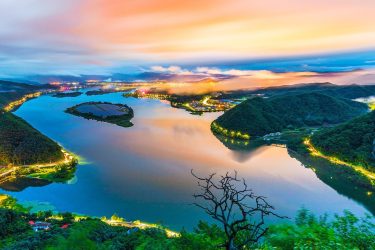
Created by damming projects in the twentieth century, Paroho Lake is a vast, mirror-like body of water framed by steep, tree-covered mountains. Its name carries deep historical roots, yet today the atmosphere is defined by absolute quietude. Unlike heavily commercialized lakes around the world, Paroho remains largely undeveloped along its perimeter, free from towers of high-rise hotels or noisy amusement parks.
A slow journey around the shores of Paroho reveals tiny fishing piers, quiet lookout points, and quiet waterside parks. Local passenger ferries and small eco-boats operate along designated routes across the lake, offering scenic views of secluded coves and mountain reflections that are entirely inaccessible by road. It is a place to disconnect from digital distractions and absorb the timeless rhythm of Gangwon’s natural landscape.
Situated in the far northern reaches of the county, near the headwaters of the river system, sits the Peace Dam area. Built initially as a defense mechanism against potential northern water discharges, the site has evolved into a powerful symbol of hope, ecological recovery, and quiet reflection. Surrounding the massive concrete structure is the World Peace Bell Park, a tranquil outdoor space containing large peace bells cast from donated brass objects gathered from conflict zones across the globe. Visiting this remote outpost highlights the unique contrast of Hwacheon: a peaceful, green wilderness thriving alongside complex historical borderlands.
The main urban settlement of the area is Hwacheon-eup, a compact, walkable town that retains the warmth of a traditional rural market hub. Small family-run shops, traditional bakeries, and simple eateries line the streets. Life here moves at a human scale. Locals tend to private vegetable plots right outside their back doors, and morning markets feature seasonal mountain greens gathered from the nearby hills.
Venture beyond the central town into smaller rural sub-districts like Gandong-myeon and Sanae-myeon, and you will find scattered agricultural villages nested in river bends. Walking through these hamlets gives travelers an authentic glimpse into Korean countryside culture. You will pass historic tile-roofed and slate-roofed homes, terraced garlic and pepper fields, and small orchards yielding crisp regional fruits. The atmosphere is deeply welcoming, defined by polite nods from passing farmers and the slow smoke rising from home chimneys in the late afternoon.
Slow travel is incomplete without slow food, and Hwacheon’s culinary culture reflects its immediate environment. The region’s cuisine leans heavily on fresh, mountain-grown ingredients and local freshwater produce. Visiting small village eateries offers the chance to sample hearty, wholesome Korean countryside cooking.
Hwacheon is widely considered one of South Korea’s premier destinations for relaxed long-distance cycling. As part of national river ecosystem initiatives, extensive paved and timber bike tracks run along both banks of the Bukhan River. The terrain is remarkably flat, making it accessible for cyclists of all experience levels, including casual riders and families.
Renting a bicycle near the main riverfront in Hwacheon-eup allows you to set off on a self-guided journey along miles of traffic-free trails. The paths wind past willow-lined banks, cross picturesque pedestrian bridges, and skirt around calm wetlands where aquatic birds nest. Dedicated rest stations with shade, water, and benches are conveniently situated along the route, allowing riders to break up their journey whenever a scenic vista invites a rest.
For those who prefer to explore on foot, Hwacheon offers numerous low-impact walking networks that immerse you directly in forest and river habitats.
Hwacheon transforms dramatically across the four seasons, each bringing its own distinct appeal for slow travel enthusiasts.
Spring (April to June): Spring arrives with crisp air and brilliant color. Wild cherry trees blossom along rural roadsides, while delicate spring wildflowers cover the river banks. Mild temperatures make this the optimal season for full-day cycling excursions and riverside picnics.
Summer (July to August): Summer fills the valleys with lush, vivid greens. While daytime temperatures can be warm, the river corridors and mountain streams offer natural cooling breezes. Shaded walking paths along the water provide sweet relief, and evenings bring cool mountain down-valley breezes ideal for night strolls.
Autumn (September to November): Autumn is arguably the most visually striking season in Gangwon State. The steep mountainsides framing Paroho Lake and the Bukhan River burst into brilliant shades of amber, orange, and crimson. The air is remarkably clear, creating ideal conditions for photography, walking, and enjoying regional harvest foods.
Winter (December to March): Winter brings a quiet, frosty beauty to Hwacheon. The rivers freeze over into sheets of white ice, and snow blankets the surrounding ridges. While the county hosts famous seasonal winter events, slow travelers can seek out the quiet corners of the county to experience the stillness of a snowy rural landscape.
Reaching Hwacheon from Seoul is straightforward, making it an ideal candidate for a weekend trip or extended slow-travel retreat. Travelers typically take high-speed regional train lines (such as the ITX-Cheongchun) from central Seoul stations to Chuncheon. From Chuncheon, frequent regional intercity buses link directly to the main bus terminal in Hwacheon-eup.
Once in Hwacheon, the central town area is compact enough to explore entirely on foot. For exploring the surrounding river paths, renting a bicycle is the most rewarding choice. Reaching more remote areas like Paroho Lake or distant mountain valleys is best accomplished using local regional buses or by hiring local taxis for short custom trips.
Traveler’s Note: Regional bus schedules, local boat operations, bike rental hub operations, and seasonal access to specific borderland trails can change based on weather conditions and local municipal updates. Travelers are strongly advised to check official Gangwon State tourism portals or local Hwacheon venue information pages online prior to setting out on their journey.

![[강원평화누리자전거길 10코스] 양구 두타연길 - Korea Tourism Organization](https://allforkorea.com/wp-content/uploads/2026/08/kto-강원평화누리자전거길-10코스-양구-두타연길-1787920867576-375x250.jpg)