Physical Address
304 North Cardinal St.
Dorchester Center, MA 02124
Physical Address
304 North Cardinal St.
Dorchester Center, MA 02124

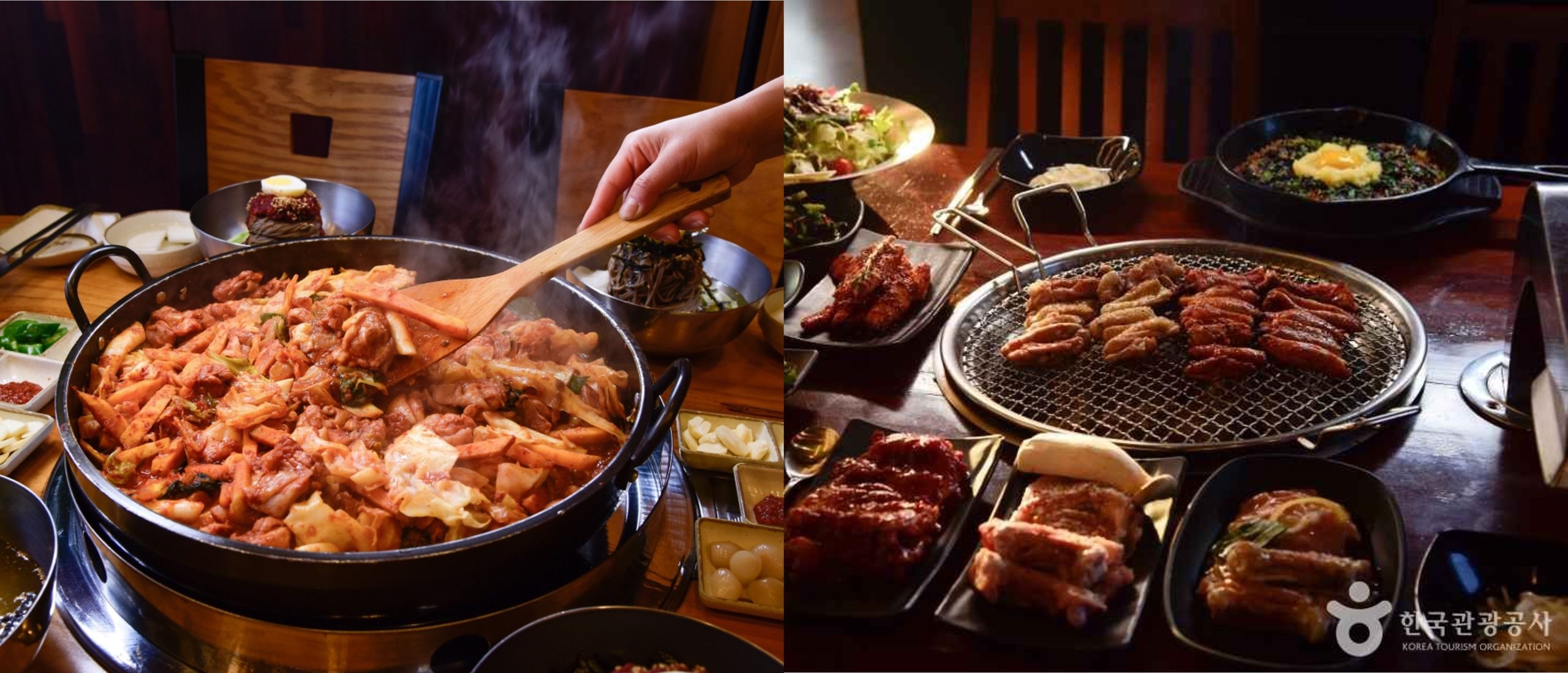
Chuncheon Dakgalbi is more than a spicy chicken dish. It is a local specialty filled with the memories of generations and the modern history of Chuncheon.
Having lived in Chuncheon for more than ten years, I gradually discovered which restaurants I genuinely wanted to revisit—not simply which ones advertised the most.
In this guide, I will explain the origins of Chuncheon Dakgalbi, compare the skillet-cooked and charcoal-grilled styles, and introduce two restaurants I personally enjoyed: Keunjibung Dakgalbi and Jangho Dakgalbi.
Instead of repeating the large restaurants that are already widely promoted to visitors from Seoul, I want to focus on two places that left a good impression on me as a longtime resident.
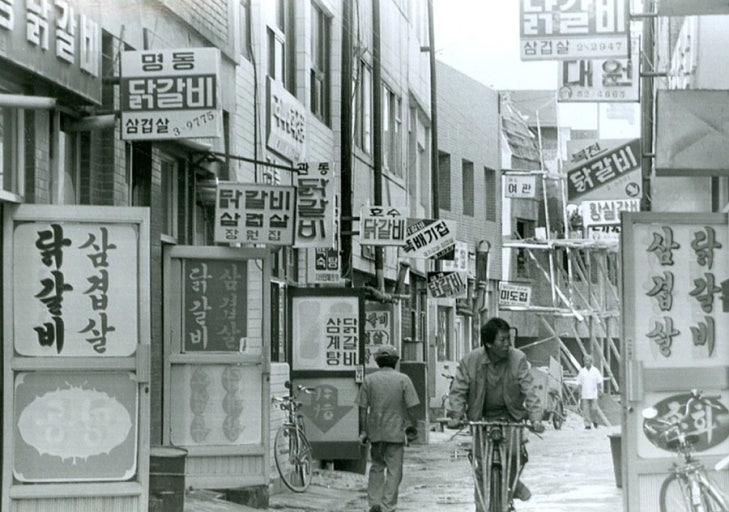
Most people now picture a wide, round skillet when they hear the words Chuncheon Dakgalbi. Surprisingly, however, the dish began much closer to the charcoal-grilled style.
According to the Encyclopedia of Korean Culture, the history of Chuncheon Dakgalbi dates back to the late 1960s.
Kim Yeong-seok, who sold grilled pork in downtown Chuncheon, reportedly marinated chicken in a sauce similar to a pork-rib marinade and grilled it over charcoal. He called the dish dak bulgogi, which means chicken bulgogi.
Over time, the dish became known as Chuncheon Dakgalbi.
During the 1970s, Dakgalbi restaurants multiplied in the alleys behind Chuncheon’s Myeongdong district. The dish was inexpensive, filling, and especially popular among university students and soldiers on leave.
It even earned nicknames that roughly translate as “college-student ribs” and “the common people’s ribs.”
Chuncheon’s active poultry industry and numerous chicken-processing facilities also helped Dakgalbi grow into the city’s most famous regional food.
The most accurate way to understand its history is this: Chuncheon Dakgalbi began as charcoal-grilled chicken and later became widely popular in its skillet-cooked form.
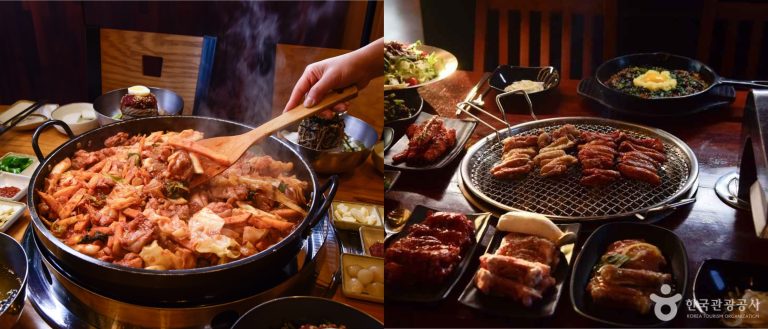
As skillet-style Dakgalbi spread, the character of the dish changed.
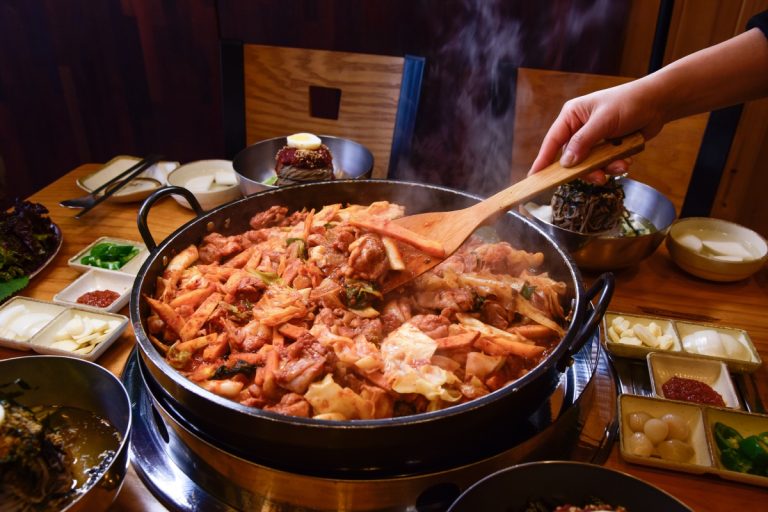
Marinated chicken was cooked with cabbage, sweet potato, rice cakes, carrots, and green onions on a large metal pan. It became an ideal meal for families and groups to share.
Moisture from the vegetables, juices from the chicken, and the spicy-sweet sauce gradually blend together as everything cooks.
Charcoal-grilled Dakgalbi offers a different experience. Each piece of chicken cooks directly above the hot coals, highlighting the texture and juiciness of the meat.
The charcoal version contains fewer vegetables than the skillet version, but it gains a deep smoky aroma and lightly charred edges.
Although charcoal Dakgalbi may look like a modern alternative, it is actually closer to the earliest form of Chuncheon Dakgalbi.
Rather than declaring that only one style is authentic, it is better to see them as two delicious chapters in the evolution of Chuncheon Dakgalbi.
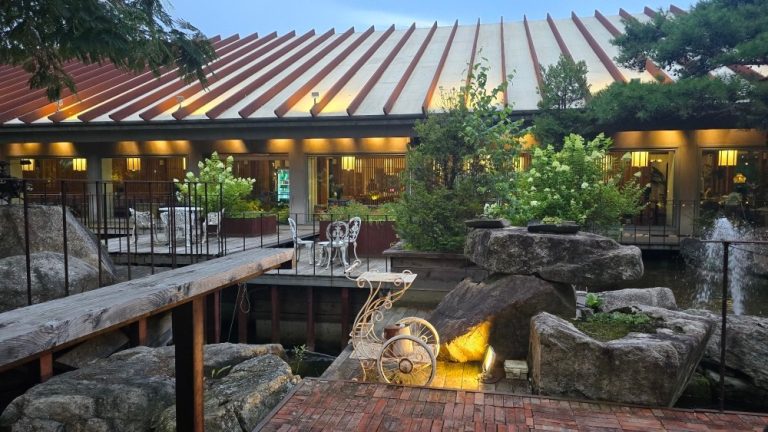
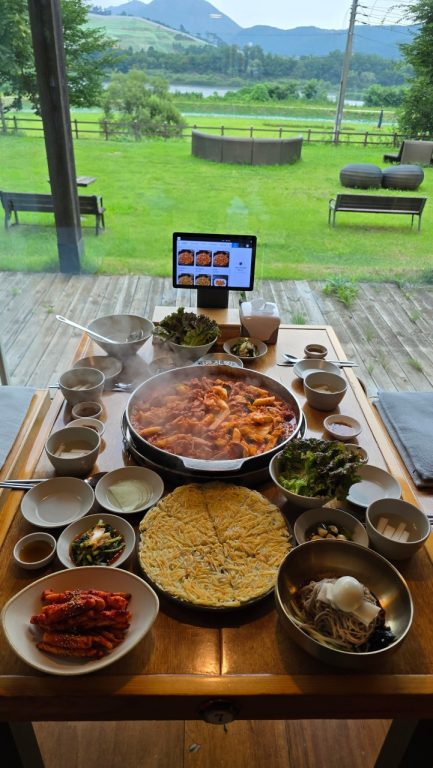
Keunjibung Dakgalbi—a name that means “Big Roof Dakgalbi”—is located near the cluster of restaurants on the road toward Soyanggang Dam in Sinbuk-eup.
During my more than ten years in Chuncheon, I enjoyed many satisfying skillet-Dakgalbi meals here.
It is a comfortable place to experience a generous and distinctly Chuncheon-style meal without choosing a restaurant solely because it dominates online advertising.
The main attraction is chicken, cabbage, sweet potato, rice cakes, and other ingredients cooking together in a spicy sauce on a large skillet.
As the ingredients cook, the sauce becomes richer. The natural sweetness of the vegetables and the juices from the chicken blend into the spicy seasoning.
In addition to standard Dakgalbi, the restaurant’s listed offerings include soy-sauce Dakgalbi and chicken innards. Certain cuts, including chicken neck meat, may be available only in limited daily quantities.
A bowl of cool dongchimi makguksu also makes an excellent side dish. These buckwheat noodles have a cool and refreshing flavor that balances the warm and spicy chicken.
The restaurant has convenient parking and views toward the Soyang River from its grounds. It works especially well as a meal stop when driving to Soyanggang Dam or exploring northern Chuncheon.
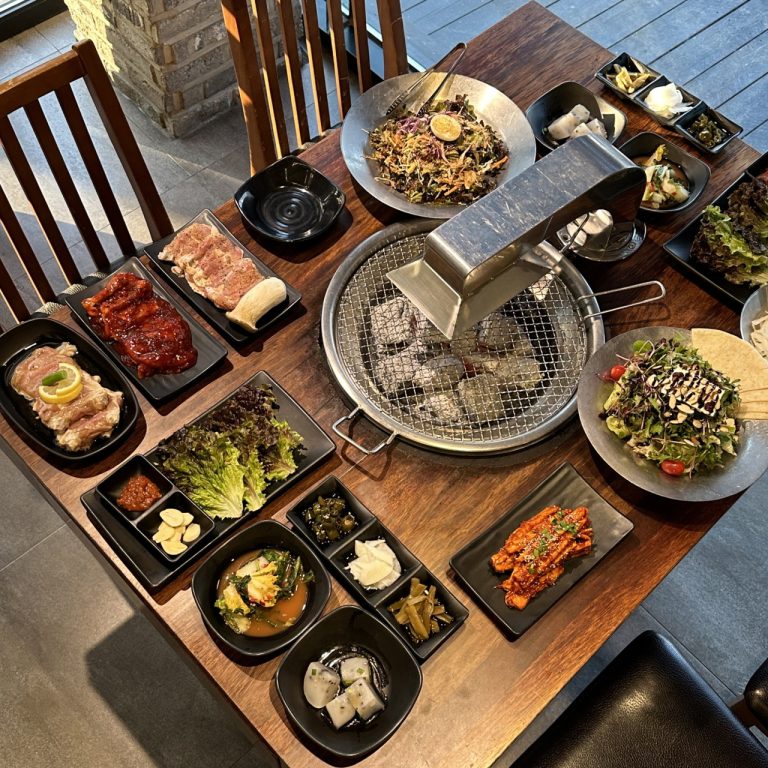
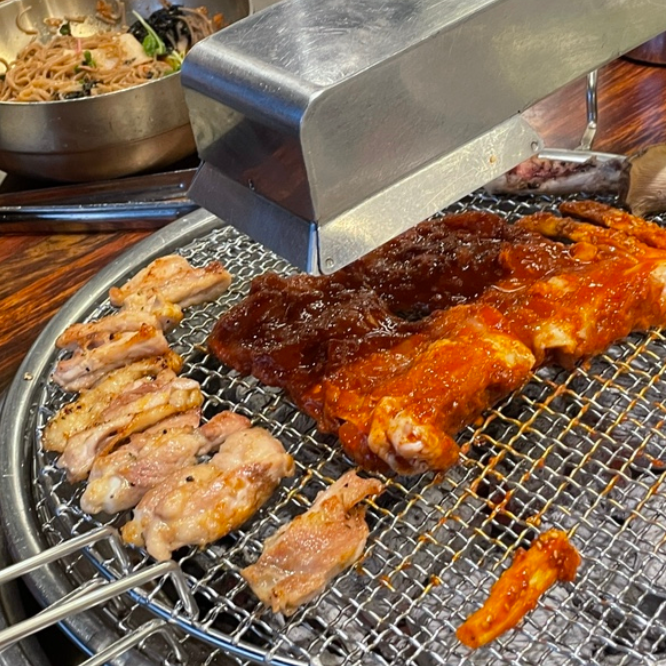
For a different side of Chuncheon Dakgalbi, try Jangho Dakgalbi, particularly its charcoal-focused restaurant, Jangho The Grill.
It is also located along Saembat-ro in Sinbuk-eup, making it easy to combine with a visit to Soyanggang Dam.
The signature dish here is chicken cooked directly over quality charcoal. The surface becomes lightly crisp and caramelized while the inside remains moist and tender.
Unlike skillet Dakgalbi, where the chicken blends with vegetables and sauce, the chicken itself takes center stage here.
The meat is enhanced by a deep smoky fragrance from the charcoal, creating a completely different experience from the skillet version.
One particularly interesting option is lemon soy-sauce charcoal Dakgalbi.
The savory soy marinade is lifted by a gentle citrus aroma, offering an approachable alternative for travelers who find the usual red chili seasoning too spicy.
If your group can order more than one flavor, try both the spicy charcoal Dakgalbi and the lemon soy version. Comparing the two makes the meal even more enjoyable.

With skillet Dakgalbi, finishing the chicken does not mean the meal is over.
For many Chuncheon residents, the final round is something to anticipate from the beginning.
Rice is added to the remaining sauce, small pieces of chicken, and cooked vegetables, and then fried together on the hot skillet. Every grain absorbs the concentrated flavor of the Dakgalbi sauce.
Seaweed flakes and sesame oil add a rich, nutty aroma. The thin and lightly crisp layer of rice that forms at the bottom of the skillet may be the best part.
Udon noodles are another excellent addition.
Their thick and pleasantly chewy texture absorbs the spicy-sweet sauce, creating a completely different bite from the chicken.
Depending on the restaurant, the noodles may be added while the chicken is still cooking or after most of the meat has been eaten.
Try not to order too much chicken at the beginning. Save some room for fried rice or udon noodles.
Adding a bowl of cool makguksu completes a wonderfully satisfying Chuncheon meal.
If this is your first Chuncheon Dakgalbi meal, the skillet version is an excellent introduction.
Watching the chicken, vegetables, rice cakes, and sweet potatoes cook together—and then turning the remaining sauce into fried rice—is an important part of the experience.
For this classic progression, Keunjibung Dakgalbi is my recommendation.
If you have already tried skillet Dakgalbi or simply love smoky grilled meat, consider Jangho’s charcoal version.
Travelers staying in Chuncheon for two days or more can try skillet Dakgalbi for one meal and charcoal Dakgalbi for another. Comparing the two reveals how one local dish can offer remarkably different flavors.
Search rankings and large advertising budgets do not always predict the meal you will enjoy most.
Chuncheon Dakgalbi is not represented by only the biggest restaurants familiar to visitors from Seoul.
Keunjibung and Jangho are two places I remember positively from actually living in the city, and each presents a different side of Chuncheon’s signature food.
At Keunjibung, enjoy the generous combination of chicken, vegetables, and sauce cooking together on a hot skillet.
At Jangho, focus on the fragrance of the charcoal and the moist texture of the chicken.
If you choose the skillet version, be sure to leave room for fried rice or udon noodles.
The pleasure of Chuncheon Dakgalbi continues until the skillet is scraped clean.
No. Chuncheon Dakgalbi reportedly began in the late 1960s as dak bulgogi, or marinated chicken grilled over charcoal. The skillet version with chicken and vegetables later became widely popular.
Skillet Dakgalbi cooks chicken, vegetables, rice cakes, and sauce together. The remaining sauce can be used to make fried rice or noodles. Charcoal Dakgalbi highlights the smoky aroma, juicy meat, and lightly charred edges of the chicken.
Choose Keunjibung for a classic skillet meal followed by fried rice. Choose Jangho The Grill if you prefer charcoal fragrance and a dining experience focused more heavily on the chicken itself.
Fried rice made in the remaining skillet sauce is the classic choice. Add udon noodles if you enjoy a thick and chewy texture, or order makguksu when you want a cool and refreshing side dish.