Physical Address
304 North Cardinal St.
Dorchester Center, MA 02124
Physical Address
304 North Cardinal St.
Dorchester Center, MA 02124

Discover Inje County in South Korea's Gangwon State. Explore serene birch forests, Seoraksan peaks, rushing streams, and rich local food markets.

Tucked away in the mountainous heartland of Gangwon State, Inje County represents one of South Korea’s most captivating natural sanctuaries. While international travelers often head straight to Korea’s coastal resorts or major metropolitan hubs, those who venture into Inje discover a landscape defined by towering mountain ranges, dense forest canopies, crystal-clear river valleys, and deeply rooted highland traditions. Occupying a vast territory where the Taebaek Mountain Range rolls toward the sky, Inje is a haven for hikers, eco-tourists, and travelers seeking quiet retreat.
The appeal of Inje lies in its unhurried pace and genuine connection to nature. Here, the hum of modern city life is replaced by the rustle of birch leaves, the roar of mountain cascades, and the enticing aromas of rustic market cooking. Whether you wish to walk through ethereal white birch groves, explore high-altitude Buddhist temples nestled in river gorges, or savor distinct regional specialties like sun-dried pollack and mountain herb cuisine, Inje provides a comprehensive journey into Korea’s alpine soul.
Inje is legendary throughout South Korea for its expansive woodland reserves. The county’s forests are not merely pockets of green; they are sprawling ecosystems that transform dramatically with each passing season.
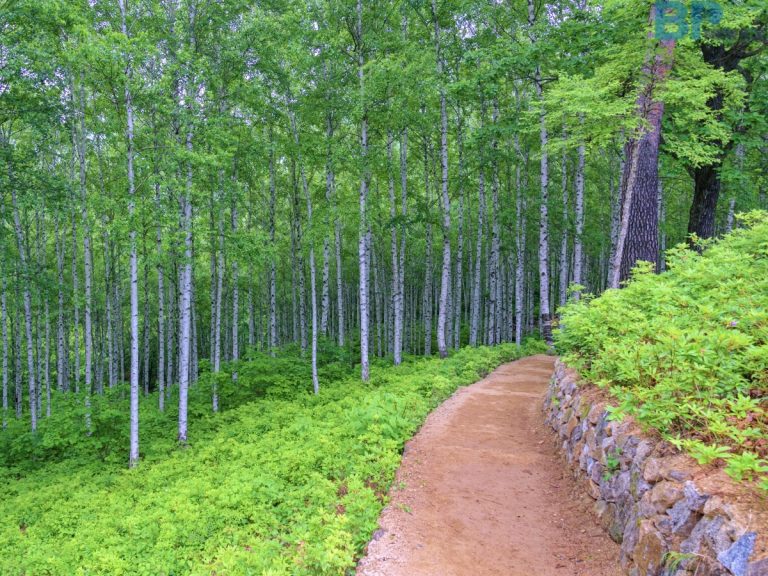
Perhaps the most famous forest escape in Inje is the Wondae-ri Whispering Birch Forest, locally known as the Soksa-ri Birch Forest. Placed along the slopes of Maebongsan Mountain, this sanctuary contains hundreds of thousands of tall, slender white birch trees planted during re-forestation initiatives in the late 20th century. Today, it has matured into an otherworldly landscape that feels light-years away from urban Seoul.
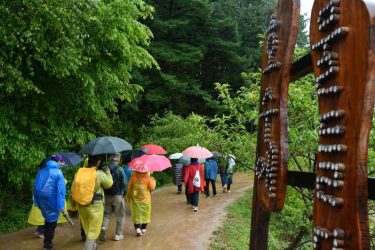
To reach the birch grove, visitors embark on a gradual uphill hike along well-maintained gravel paths. As you ascend, the mixed pine canopy slowly gives way to an ocean of stark white trunks topped with vibrant green leaves in spring and summer, or golden foliage in autumn. In winter, the forest becomes an enchanting white-on-white landscape where snow blankets the forest floor beneath silvery bark. The sound of wind blowing through the dense birch canopy gives the forest its poetic nickname, inviting visitors to slow down, breathe deeply, and take in the therapeutic woodland air.
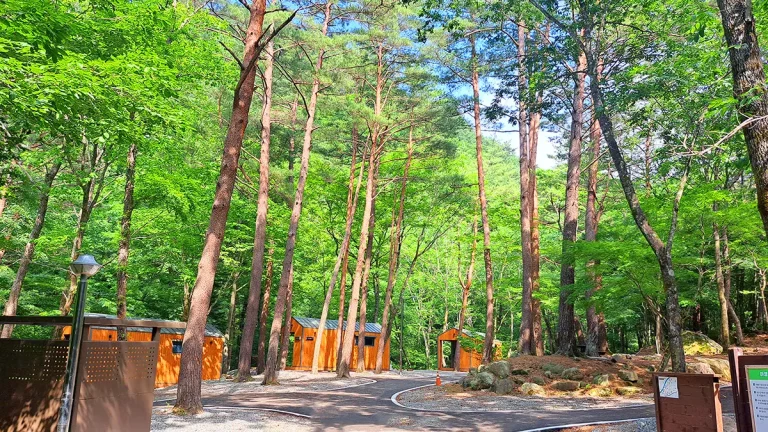
For a wilder forest experience, Bangtaesan Natural Recreation Forest offers deep wilderness tucked into the shadow of Bangtaesan Mountain. Renowned for its rich biodiversity, primeval trees, and cool mountain streams, Bangtaesan is a favorite destination for eco-travelers and avid hikers.
The highlight of the forest trails is the famous two-tiered waterfall, where clear mountain water cascades over smooth granite ledges into emerald pools. The forest trails wind along rushing streams, framed by old-growth trees that display spectacular scarlet and orange tones during the autumn foliage peak. The high canopy keeps the air noticeably cooler than in the lowlands, making Bangtaesan an ideal sanctuary during humid summer months.
Inje’s geography is dominated by high ridges and deep ravines, forming the western gateway to Seoraksan National Park—one of South Korea’s premier natural treasures.
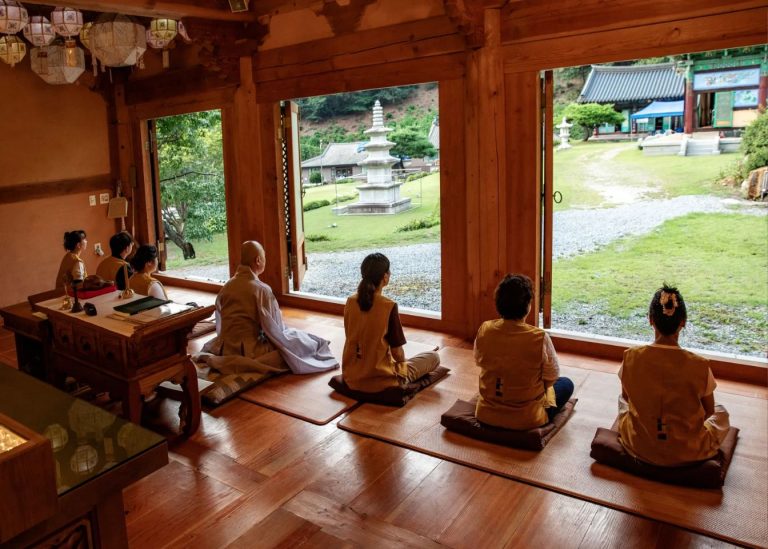
While many visitors approach Seoraksan from the eastern coastal city of Sokcho, accessing the park through Inje’s western entrance offers a far more serene and contemplative encounter with the mountains. The primary focal point here is Baekdamsa Temple, an ancient Buddhist complex located deep within the park boundaries.
Reaching Baekdamsa is an experience in itself. A dedicated local shuttle bus navigates a narrow, winding road alongside a pristine river gorge, or visitors can choose to walk along the riverside trail. Upon arrival, the temple complex opens up into a peaceful basin framed by steep granite peaks. The riverbed directly outside the temple grounds is famous for thousands of small stone towers piled meticulously by pilgrims and travelers making personal wishes. Following the valley further past Baekdamsa leads hikers onto the Suryeomdong Valley trail, a stunning route featuring crystal-clear mountain streams, deep rock pools, and footbridges that hug dramatic stone cliffs.

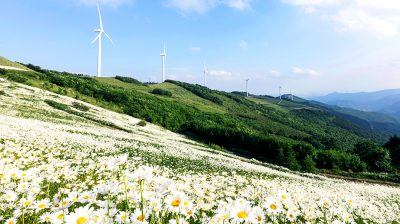
Connecting Inje County with the eastern coast are dramatic mountain passes that offer sweeping panoramic views across Gangwon State. Hangyeryeong Pass sits at a high elevation along the ridge line of Seoraksan. Driving or taking a regional bus along this winding mountain road rewards travelers with views of jagged granite peaks rising out of swirling mountain mists. A rest stop situated at the high point of the pass offers viewing decks where you can stop to take in the sheer scale of the landscape before descending toward the sea or returning to Inje’s interior valleys.
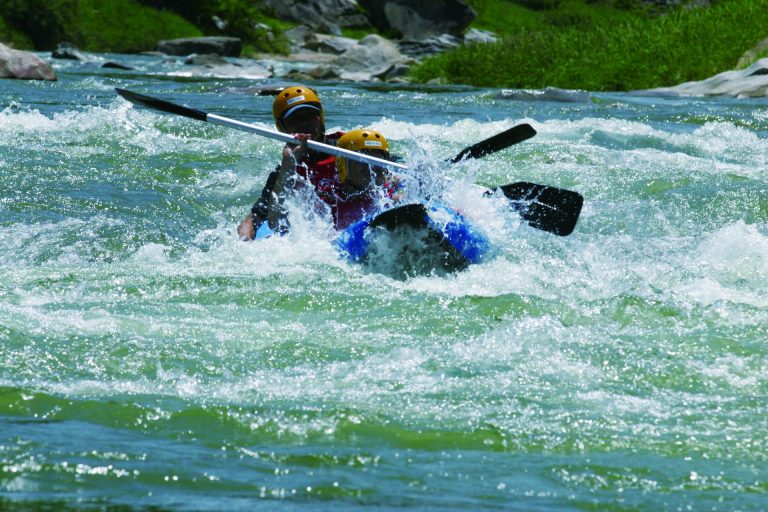
Beyond its quiet forests and lofty peaks, Inje is carved by dynamic river systems that bring life and adventure to the region.
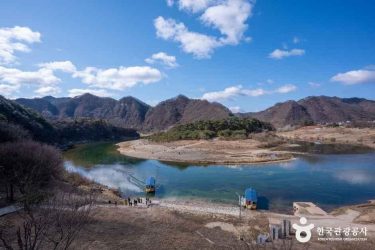
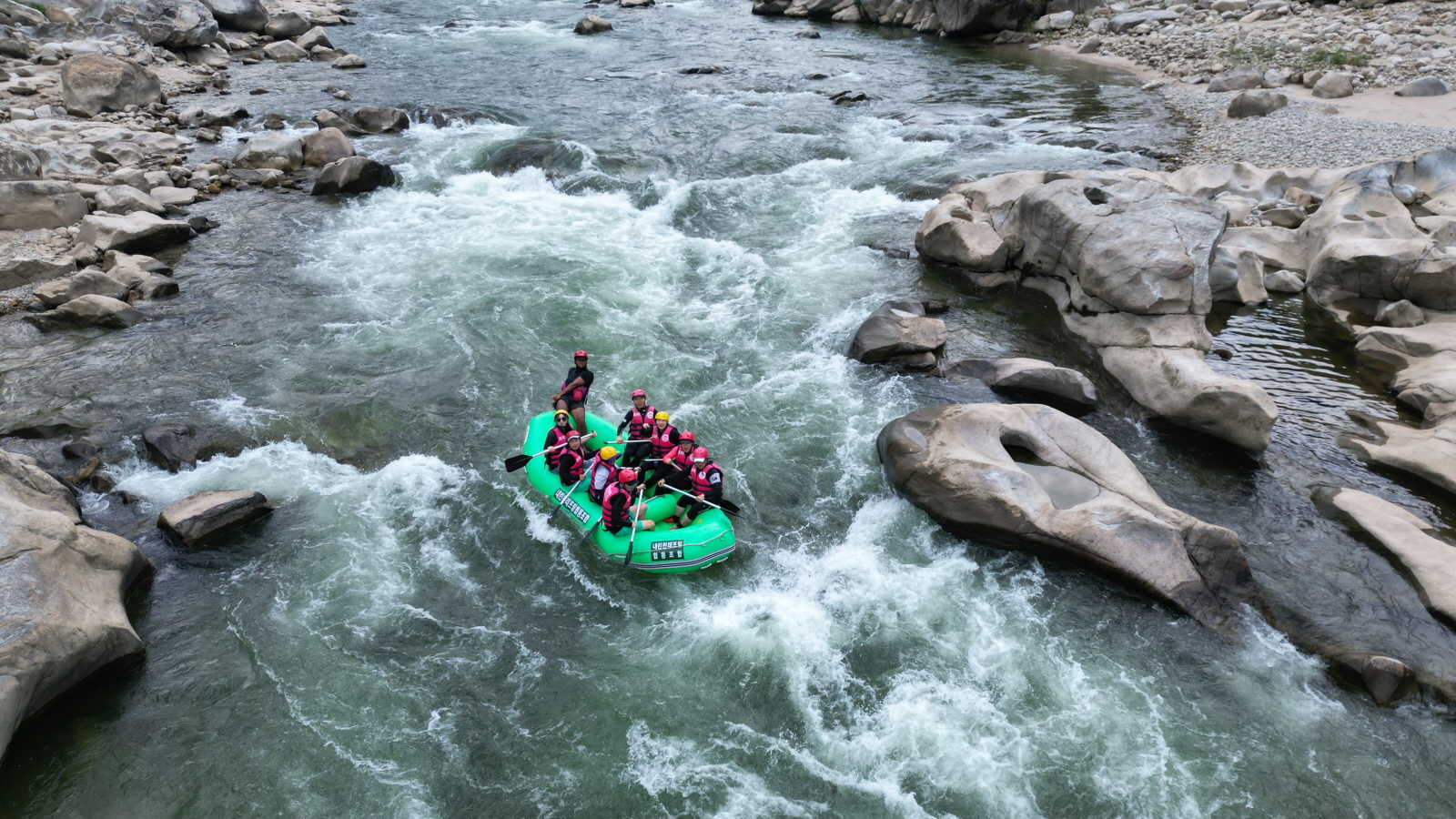
Naerincheon Stream flows through Inje, creating a long, serpentine river valley bordered by dense hardwood forests and steep cliffs. Recognized as one of the cleanest and most picturesque waterways in South Korea, Naerincheon is famous for both its serene beauty and its vibrant water sports.
For visitors looking for relaxation, walking paths along the quieter stretches of the stream offer peaceful views of clear water flowing over smooth river stones. You can spot local anglers standing in the shallow currents or families enjoying picnic spots along the banks. For those seeking excitement, Naerincheon’s winding course features sections with active rapids, making it South Korea’s premier destination for river rafting and kayaking during the late spring and summer months. Floating down the river offers a unique vantage point from which to admire the towering mountain ridges that enclose the valley.
No visit to Inje is complete without sampling its unique culinary traditions, which are directly shaped by the county’s rugged terrain and cold alpine climate.

Inje’s winter weather creates the perfect natural environment for producing hwangtae, or yellow dried pollack. Yongdae-ri Village, situated at the base of the mountains, is famous across Korea as the capital of hwangtae production.
During the winter months, vast wooden drying racks called yongdae are set up across open fields in the village. Fresh pollack is hung on these racks and left exposed to the extreme winter cold. Over several months, the fish repeatedly freezes during freezing nights and thaws during sunny days in the mountain wind. This continuous cycle turns the fish flesh yellow, soft, airy, and rich in natural umami flavor.
Visitors to Yongdae-ri can see these impressive drying yards during winter and early spring. Year-round, local restaurants serve signature hwangtae dishes:
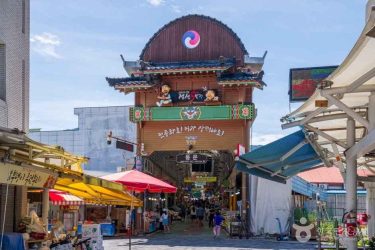
To experience authentic local life, plan a visit to the Inje Traditional Market. Operating as a regular local hub and expanding during periodic five-day market days, this bustling venue brings together local farmers, foragers, and vendors from across the county.
Walking through the market stalls offers an authentic glimpse into rural Gangwon culture. Baskets overflow with freshly gathered wild mountain herbs (sanchae), dried mushrooms, root vegetables, and seasonal fruits grown in the surrounding valleys. The market atmosphere is friendly and informal, with vendors happy to share details about their produce.
While exploring Inje’s markets and towns, look out for regional specialties that feature the bounty of the surrounding hillsides:
Inje is a true four-season destination, with each period highlighting different aspects of its natural landscape:
Inje is located in northern Gangwon State and can be reached from Seoul via intercity express buses departing from Dong Seoul Bus Terminal to Inje Bus Terminal or Wontong Bus Terminal. The journey typically takes between two and two and a half hours depending on traffic flow.
Once in Inje, public intercity buses connect the main township with major sites like the Birch Forest and Yongdae-ri. However, bus schedules in rural mountain regions can be infrequent. Renting a car or hiring local taxis offers maximum flexibility, especially if you plan to visit multiple forest parks and mountain passes in a single day.
Traveler Tip: Operating hours, hiking trail access rules, seasonal closure dates (especially during forest fire prevention periods in spring and autumn), and bus schedules in rural mountain regions can change based on weather conditions and local forestry management. Visitors are strongly advised to check official Korean tourism platforms or contact local visitor information centers prior to setting out on their travel itinerary.