Physical Address
304 North Cardinal St.
Dorchester Center, MA 02124
Physical Address
304 North Cardinal St.
Dorchester Center, MA 02124


Discover Hoengseong, Gangwon State: pristine forest trails, famed Hanwoo beef, steamed bun villages, and a peaceful rural escape just an hour from Seoul.
Just a short ride east of Seoul on the high-speed KTX line lies Hoengseong County, a tranquil region in Gangwon State where forested mountains, clear river valleys, and a deeply rooted agrarian culture replace the dense energy of South Korea’s capital. While international travelers often head straight to seaside cities or famous national parks, Hoengseong offers a quieter, highly rewarding alternative. It is a place defined by its mountain air, lush pine woodlands, and an unrivaled culinary reputation built around Korea’s most sought-after domestic beef, aromatic root vegetables, and traditional roadside snacks.
For independent visitors seeking a weekend escape or a slow-paced addition to a broader Korean itinerary, Hoengseong hits the ideal sweet spot. The region feels distinctly rural and unspoiled, yet it remains remarkably accessible. Here, days are spent strolling along elevated wooden boardwalks beneath dense forest canopies, circling misty lake reservoirs, wandering through historic five-day markets, and gathering around glowing charcoal tables for unforgettable feasts.
South Korea’s modern transportation network makes rural exploration easier than ever, but choosing where to go can be daunting. Hoengseong stands out because it offers a distinct sense of place anchored by strong local traditions. Geographically, the county is wrapped by the steep terrain of the Taebaek Mountain Range. This high elevation and dramatic daily temperature variation create the perfect natural conditions for forest growth, high-altitude agriculture, and livestock farming.
Unlike heavily developed tourist destinations, Hoengseong maintains a relaxed, everyday atmosphere. You will not find overcrowded entertainment complexes or commercialized streets here. Instead, you will discover quiet country roads winding past cabbage patches, roadside stalls selling freshly steamed buns, and forest recreation areas designed for genuine rest and rejuvenation. If your goal is to experience authentic Korean food culture while reconnecting with nature, Hoengseong provides a rich, atmospheric setting.
Hoengseong’s natural landscape is its greatest outdoor asset. Thick evergreen forests, rolling ridge lines, and pristine watersheds make the county a refuge for hikers, casual walkers, and nature lovers alike.
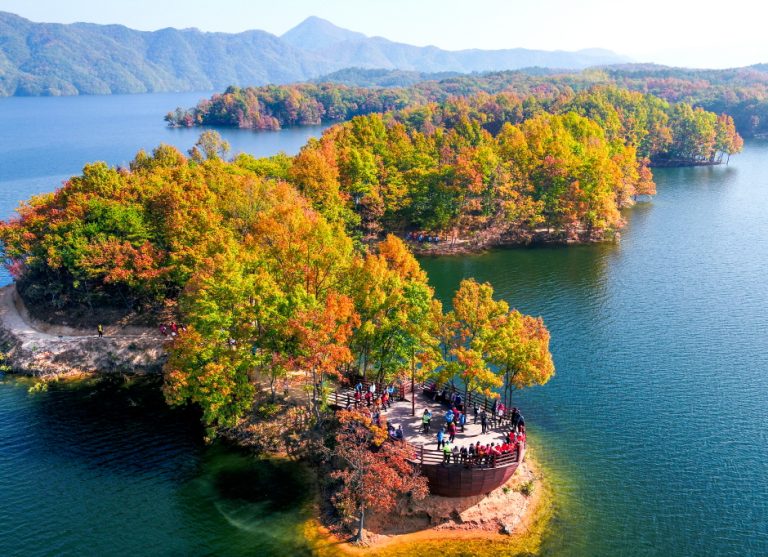
One of the most scenic and accessible natural highlights in the county is the Hoengseong Lake Trail, which traces the shoreline of a tranquil reservoir formed by the Hoengseong Dam. While the trail system offers several distinct walking routes, Section 5, known as the Manghyang-gil or Nostalgia Trail, is the most popular for casual visitors.
This flat, well-maintained circular walk hugs the water’s edge, taking visitors through peaceful pine stands, mixed oak woodlands, and open vantage points offering sweeping views across the water to the surrounding hills. Simple wooden benches, artistic installations, and quiet viewing platforms line the path, making it an ideal destination for a leisurely morning walk. The trail changes dramatically with the seasons: vibrant wildflowers bloom along the banks in spring, lush greenery shades the path in summer, and intense red and orange foliage reflects off the quiet surface of the water in autumn.
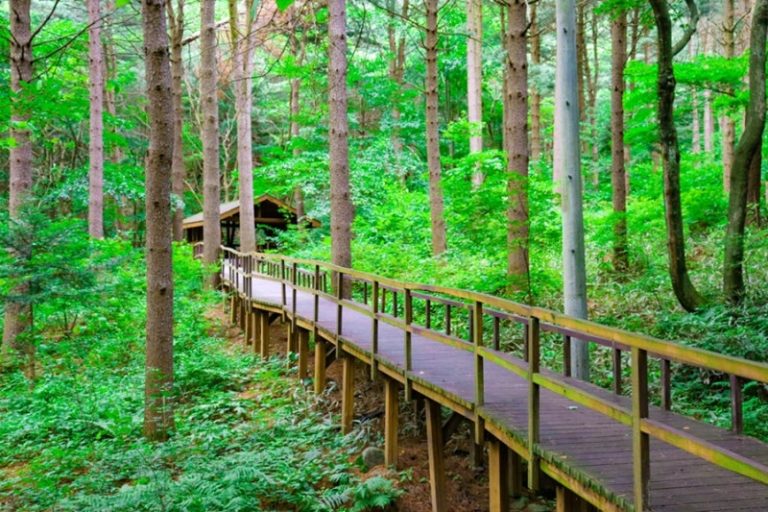
Hoengseong is home to several natural recreation forests, with Cheongtaesan National Recreation Forest serving as a prime destination for forest bathing. Dense stands of towering sapin firs and native Korean pines blanket the steep slopes, filling the crisp mountain air with high concentrations of phytoncides—the natural organic compounds produced by trees that promote relaxation and stress relief.
A highlights of Cheongtaesan is its extensive barrier-free forest trail. Elevated on a gentle wooden boardwalk, this path weaves seamlessly through the mid-canopy layer of the forest, allowing visitors of all fitness levels to walk deep into the woods without steep climbs or rugged terrain. For more active hikers, dirt trails branching off from the main boardwalk climb steadily toward the mountain peak, offering rewards of panoramic ridge views across Gangwon’s interior.
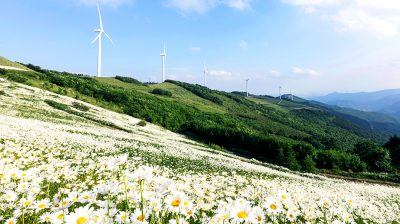
Rising high above the eastern border of the county, Taegisan is the tallest peak in Hoengseong. The mountain is famous for its atmospheric high-altitude plateau, where giant white wind turbines stand against the skyline. Access roads run close to the upper ridge, making it a popular spot for viewing sunrise and sunset across a sea of mountain peaks.
During late autumn and winter, Taegisan turns into a snowy winter landscape, attracting walkers who come to admire frost-covered trees and crisp, alpine vistas. In late spring and summer, cooler temperatures make the high ridge a refreshing escape from the humid lowlands.
Food in Hoengseong is not merely sustenance; it is the defining element of local identity. The county is famous across South Korea for producing some of the finest ingredients in the country, earning a prestigious reputation among Korean food enthusiasts.
To understand Hoengseong, one must understand Hanwoo, South Korea’s prized native cattle breed. While Hanwoo is raised across the country, Hoengseong Hanwoo is widely considered the gold standard. The region’s clean mountain water, dramatic shifts between warm days and cool night air, and specialized farming techniques yield beef with exceptional fine marbling, rich flavor, and a tender texture.
Dining on Hanwoo in Hoengseong is a unique cultural experience centered around butcher-style restaurants, often operated directly by local agricultural cooperatives. The process is straightforward and interactive:
Another agricultural flagship of Hoengseong is deodeok (bonnet bellflower root). Grown in the rich, mountain soil of the region, this wild herb root is prized both for its fragrant, earthy taste and its traditional medicinal properties.
In local cuisine, deodeok is peeled, gently tenderized with a wooden mallet, slathered in a sweet and spicy gochujang sauce, and grilled over charcoal. The result is a fragrant dish with a pleasant crunch and a smoky balance of sweet, spicy, and bitter notes. It is frequently served as part of a traditional multi-course mountain vegetable meal (sanchae jeongsik) alongside fresh wild greens, steamed rice, and savory soybean paste stew.
In the quiet southeastern village of Anheung, a distinct culinary tradition has flourished for decades: Anheung Jjinppang. These traditional steamed buns are made with a chewy, naturally fermented wheat flour dough wrapped around a generous filling of coarsely mashed red bean paste.
Unlike modern commercial versions, authentic Anheung buns are moderately sweet, letting the natural nutty flavor of locally harvested red beans shine through. Visiting the small village center of Anheung reveals dozens of small bakery shops where steam billows out into the cooler air. Buying a warm box of freshly steamed red bean buns from a roadside bakery is an essential ritual for anyone driving through the region.
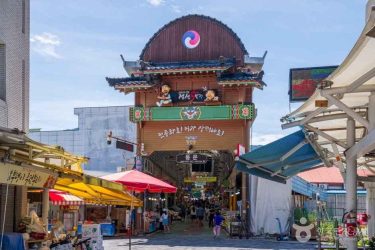
Located in the center of Hoengseong town, the traditional market operates daily, but it truly comes alive on designated five-day market dates (traditionally days ending in 2 and 7). On these days, local farmers and vendors from across the surrounding valleys gather to set up stalls filled with wild mountain herbs, dried roots, seasonal fruits, homemade condiments, and fresh produce.
The market alleys are fantastic spots for trying informal street food, such as buck-wheat crêpes (memil chujeon), potato pancakes (gamja-jeon), and hand-pulled noodle soups. It provides a authentic glimpse into everyday rural life in Gangwon State.
Hoengseong is best enjoyed without a rushed schedule. Here is how to structure a relaxing two-day visit focused on outdoor scenery and local flavors.
Hoengseong is remarkably accessible from Seoul. High-speed KTX trains departing from Seoul Station or Cheongnyangni Station reach Hoengseong Station or Dunnae Station in approximately one hour. This smooth rail connection makes a trip into rural Gangwon straightforward even for first-time visitors to Korea.
Once you arrive in Hoengseong, options for getting around include local taxis, regional buses, or rental cars. While local public buses connect major townships, run times are spaced far apart. Renting a car at or near the train station, or utilizing regional taxis for short transfers between major sites, provides maximum flexibility when exploring deep forest areas and small rural villages.
Hoengseong experiences four distinct seasons, each offering a unique travel atmosphere:
Rural Gangwon is friendly and welcoming, though English signage is less common than in downtown Seoul. Having translation applications downloaded on your smartphone is helpful for reading menus and speaking with local shop owners. For navigation, domestic Korean mapping applications function much better than international options for rural driving directions and walking paths.
Operating days, seasonal trail closures, market schedules, and transit connections can change throughout the year due to weather or seasonal maintenance. Visitors are strongly advised to check official Gangwon State or Hoengseong County tourism pages and verify venue hours before finalizing travel plans.