Physical Address
304 North Cardinal St.
Dorchester Center, MA 02124
Physical Address
304 North Cardinal St.
Dorchester Center, MA 02124

Discover Samcheok, South Korea: a coastal haven of dramatic limestone caves, scenic ocean boardwalks, and quiet fishing villages along Gangwon State.
While international travelers often flock to Jeju Island or head straight to Gangneung for a seaside getaway on South Korea’s east coast, Samcheok offers a far more peaceful alternative. Located in the southern stretch of Gangwon State, Samcheok is a city defined by remarkable geological contrasts. Deep beneath its forest-covered karst mountains lie massive limestone cave systems formed over hundreds of millions of years. Along its jagged coastline, turquoise waves break against dramatic rock formations, dense pine forests, and sleepy fishing harbors that feel worlds away from the urban rush of Seoul.
For independent visitors looking to experience Korea’s natural beauty at a measured pace, Samcheok delivers a rewarding combination of outdoor walking trails, distinct local culture, and tranquil seaside neighborhoods. This guide explores the very best of Samcheok’s subterranean wonders, sweeping coastal routes, and authentic coastal villages, providing practical insight for planning an unforgettable journey along the East Sea.
Samcheok sits on a vast bed of ancient limestone, making it one of the premier cave regions in East Asia. The city’s interior valleys hide immense subterranean chambers carved out by water over eons. Visiting these underground complexes provides a fascinating contrast to the sunlit beaches just a short drive away.
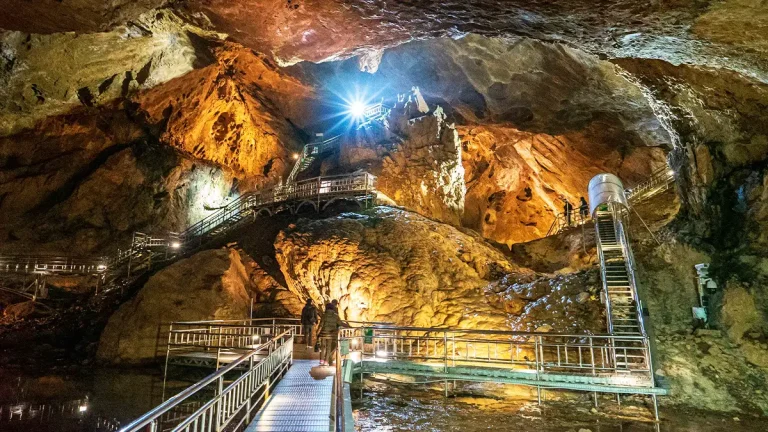
As one of the largest limestone caves in Asia, Hwanseongul Cave is a jaw-dropping cavern system set high on the slopes of Mount Deokhang. Reaching the entrance is an experience in itself. Visitors can opt for an invigorating uphill hike along a shaded mountain stream or ride a monorail that ascends steeply through the forest canopy.
Once inside, the scale of Hwanseongul becomes immediately apparent. High ceilings, wide open chambers, and underground rivers create an otherworldly environment. A well-constructed network of elevated steel walkways and bridges carries visitors through the illuminated interior. Highlights inside include massive stalactites and stalagmites, flowing subterranean waterfalls, and uniquely shaped rock formations created by mineral deposits over millions of years. Because the cave maintains a cool temperature year-round, wearing a light jacket or fleece is recommended even during the peak of summer.
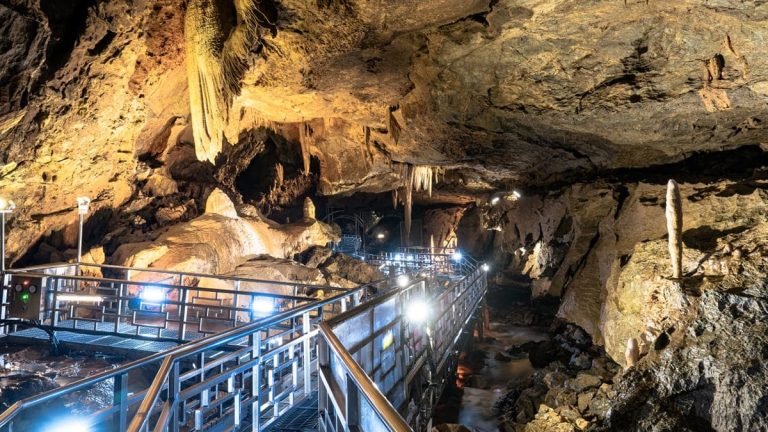
Located in the same mountain valley as Hwanseongul, Daegeumgul Cave offers a distinctly different and more intimate cave experience. Unlike its neighbor, access to Daegeumgul is strictly regulated to protect its delicate ecosystem. Visitors must travel into the cave aboard a dedicated monorail that penetrates deep into the mountain rock.
Daegeumgul is famous for its abundant water features. Inside, visitors walk alongside a rushing underground river and marvel at an eight-meter-tall subterranean waterfall crashing through the darkness. The cave paths are narrower, bringing you face-to-face with active mineral formations, delicate curtain stalactites, and crystal-clear underground pools. Due to strict daily visitor limits, securing entry tickets online well in advance is essential when planning a trip here.
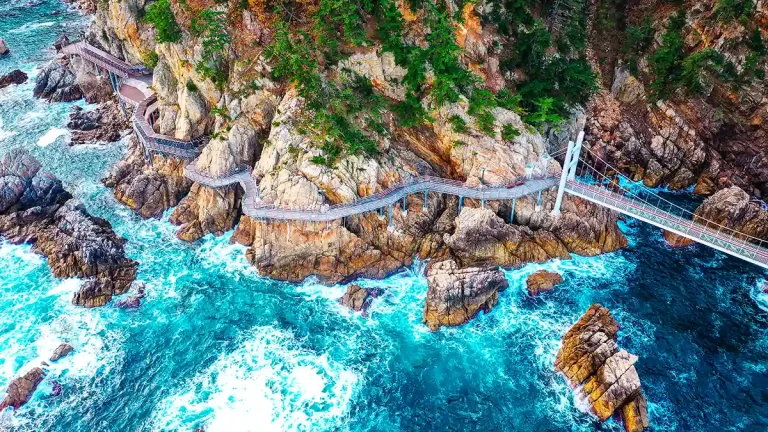
Samcheok’s coastline is defined by dramatic cliffs, rocky islets, and lush pine groves. Rather than simply driving past the scenery, the best way to absorb the landscape is on foot along dedicated coastal walking paths and elevated boardwalks.
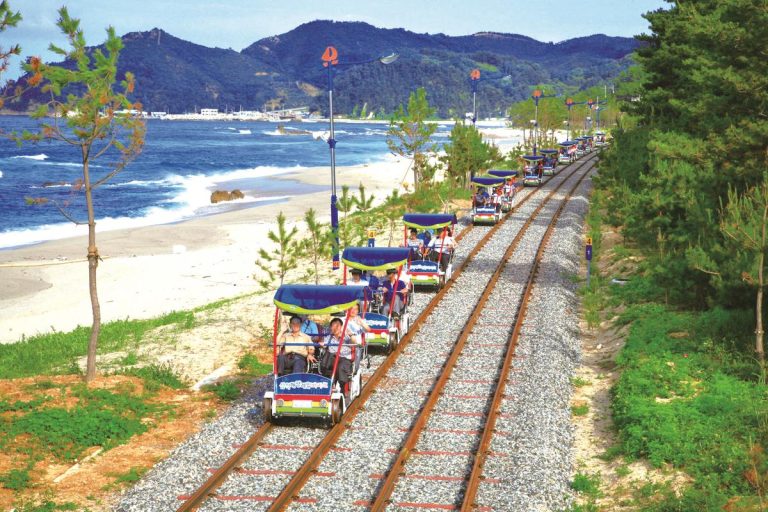
For a unique way to take in the shoreline, the Samcheok Ocean Railbike path offers a scenic route running parallel to the East Sea. Built along a decommissioned coastal railway line, this activity allows visitors to pedal four-wheeled railbikes along a smooth, flat track that hugs the coast.
The route stretches between two coastal stations, passing through fragrant pine forests, open beach stretches, and illuminated tunnels featuring colorful light displays and marine-themed projections. Because the pedal assistance keeps effort levels manageable, it provides a relaxing outdoor walk-like experience suitable for all fitness levels, offering unobstructed views of breaking waves throughout the journey.

Perched on a rocky promontory overlooking the sea, Haesindang Park is famously known for its unique folk statues and traditions tied to local maritime history. Beyond its eccentric cultural elements, the park features some of the finest coastal walking trails in the region.
Wooden boardwalks weave around granite cliffs, leading travelers down to the water’s edge where rocky islets break the tide. High vantage points across the park offer panoramic views over the surrounding bays and active fishing grounds. Walking the terraced pathways provides a gentle workout accompanied by the constant sound of waves hitting the rocks below.
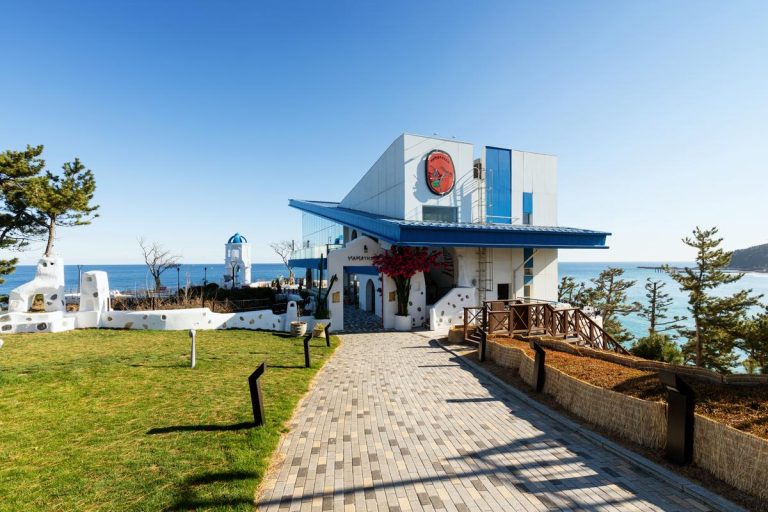
Situated near the boundary of northern Samcheok, Isabu Lion Park rests atop a coastal hill with sweeping vistas across the open ocean. Named in honor of General Isabu, a historical military figure from the Silla Kingdom, the park is adorned with artistic wooden lion carvings set among flower gardens and walking paths.
A stroll around the park’s summit yields wide views of the sea, nearby sandy bays, and jagged rock formations poking above the water. A footbridge connects the area to adjacent coastal walkways, allowing visitors to extend their trek down to sea level and explore the water’s edge.
One of Samcheok’s greatest charms is its collection of small, unhurried seaside neighborhoods. Moving south away from the main city center reveals authentic working ports and quiet residential hamlets where traditional coastal life continues undisturbed.
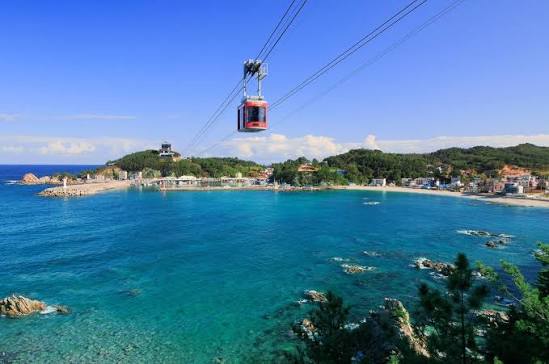
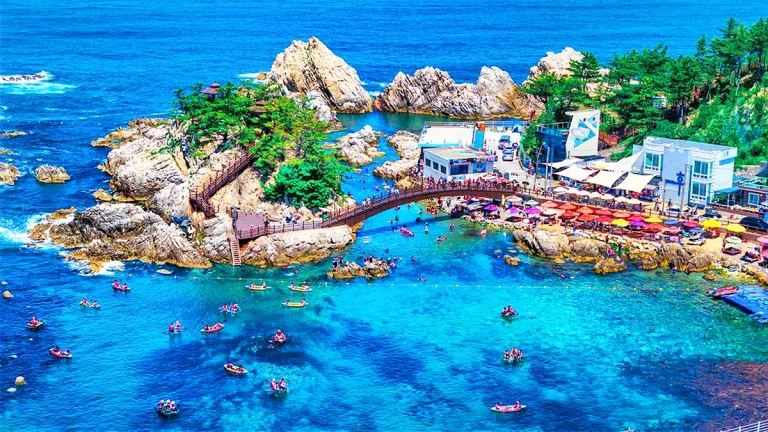
Often referred to locally as a picturesque coastal haven, Jangho Village centers around a round, protected bay framed by rocky islets and clear emerald water. During the warmer months, the calm, sheltered cove becomes a popular spot for sea kayaking and snorkeling around the shallow rock pools.
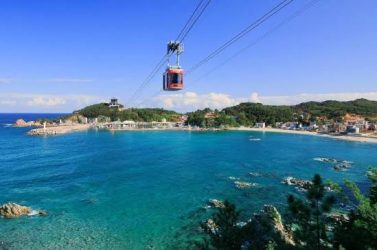
Outside the mid-summer peak, Jangho reverts to a quiet fishing neighborhood. Visitors can wander past small family-run guesthouses, watch fishermen mend nets along the docks, and sample freshly caught seafood at simple harbor restaurants. A coastal ropeway operates above the bay, offering a bird’s-eye view over the clear harbor and surrounding cliffs.
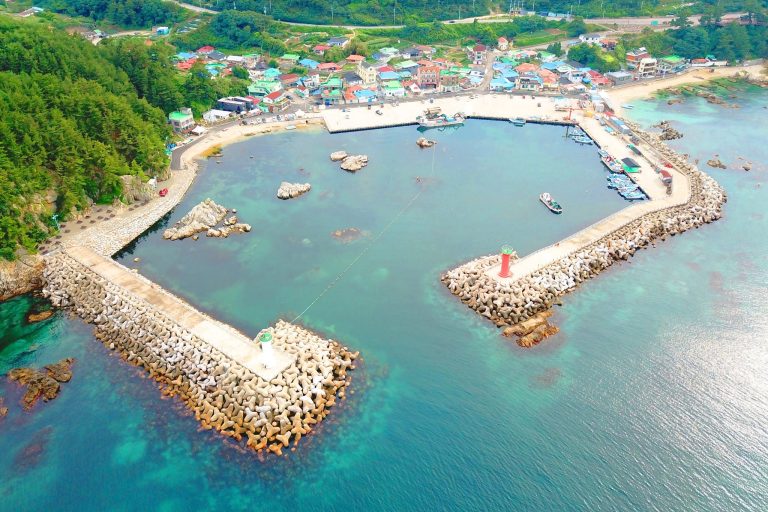
Located just a short distance south of Jangho, Galnam Village is an even quieter, more traditional neighborhood. Free from large commercial developments, Galnam consists of narrow village lanes, low-slung tiled houses, and a small crescent beach bordered by large offshore rock formations.
Galnam is ideal for travelers seeking absolute tranquility. Spending an afternoon walking through the quiet lanes, sitting on the gravel shore, and watching local divers work near the rocks offers an authentic glimpse into rural east coast life that few short-term tourists get to experience.
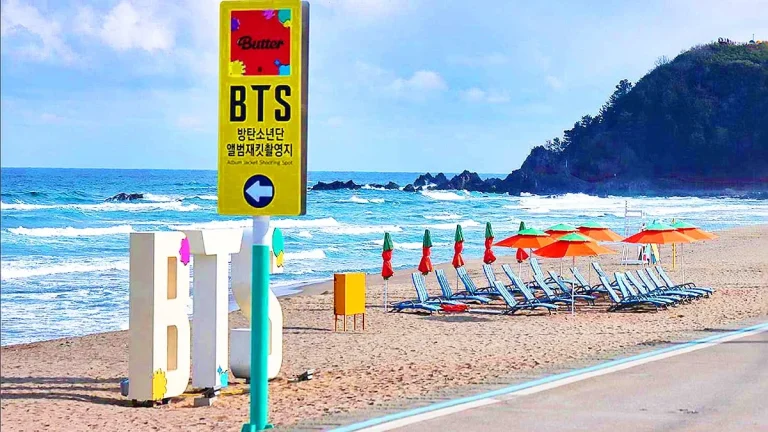
For those who love wide sand horizons, Maengbang Beach stretches across several kilometers of soft sand backed by a dense forest of coastal pine trees. The beach is broad and uncrowded, making it perfect for long, contemplative walks along the water line.
In early spring, the road running directly behind the beach’s pine forest lights up with a blanket of blooming cherry blossoms, creating a striking contrast between pink flowers, green pines, and yellow canola fields nearby. Even during off-peak months, the gentle sea breezes and vast open space make Maengbang a refreshing spot to unwind.
In particular, Maengbang Beach is also famous as a filming location for BTS’s music videos.
A visit to Samcheok is incomplete without indulging in Gangwon State’s distinct coastal cuisine. Thanks to the city’s active fishing fleet, fresh seafood is abundant, affordable, and deeply woven into everyday dining.
The harbors at Samcheok Port and Jangho Port host daily seafood markets where the morning catch is brought ashore. Visitors can browse stalls filled with red snow crab, squid, sea urchin, and an assortment of wild ocean fish. Simple, no-nonsense restaurants operating near the ports serve seasonal raw fish bowls, known as hoe-deopbap, served over warm rice with fresh vegetables and spicy chili paste.
When cooler ocean winds blow, local specialty soups offer comforting warmth. Samcheok is known for gomchi-guk, a light yet flavorful soup made from moray eel cooked with fermented kimchi and bean sprouts. The dish is prized locally for its delicate, tender fish and soothing, savory broth.
Another regional favorite found throughout Gangwon is makguksu, chilled buckwheat noodles served in a tangy, chilled broth or tossed with spicy sauce, cucumbers, and a touch of sesame oil. Pairing a bowl of cold buckwheat noodles with crispy potato pancakes or steamed pork slices makes for a quintessential regional lunch after a long morning of walking.
Navigating Samcheok as an international traveler is straightforward with a little advance planning. Because the city’s main attractions are spread out along the coast and inland valleys, understanding local transport options will help you make the most of your time.
Travelers arriving from Seoul can take an express intercity bus directly from the Seoul Express Bus Terminal to the Samcheok Bus Terminal. Alternatively, you can take the high-speed KTX train from Seoul or Cheongnyangni Station to nearby Donghae Station or Gangneung Station, followed by a short local bus or taxi ride south into Samcheok.
While local buses connect Samcheok’s downtown area with major sights like Hwanseongul Cave and Jangho Village, bus intervals can be long in rural areas. Downloading Korean navigation apps like Naver Map or KakaoMap is essential for checking real-time bus arrivals and routes, as standard international map applications often lack detailed transit data in South Korea.
For maximum flexibility, renting a car at a high-speed train hub like Gangneung or Donghae allows you to explore coastal backroads, hidden beaches, and mountain valleys at your own pace. Taxis are also readily available near major transit hubs and coastal spots.
Spring and autumn are the ideal seasons to explore Samcheok. Spring brings comfortable walking temperatures, wild coastal flowers, and blooming cherry blossoms near Maengbang Beach. Autumn delivers crisp skies, colorful foliage along the mountain cave approaches, and pleasant sea breezes.
Summer is ideal for swimming and water activities in sheltered bays like Jangho, though accommodation should be booked well ahead. Winter brings quiet, atmospheric coastal scenes and chilly, clear weather that makes hot seafood soups taste even better.
Operation schedules for monorails, cave entries, and railbike routes can change depending on seasonal weather conditions and routine maintenance. Travelers are advised to check official tourism or venue pages prior to travelling to confirm operating days, seasonal closures, and reservation policies.

![[강원평화누리자전거길 10코스] 양구 두타연길 - Korea Tourism Organization](https://allforkorea.com/wp-content/uploads/2026/08/kto-강원평화누리자전거길-10코스-양구-두타연길-1787920867576-375x250.jpg)